

266 Czerwiec 2026
- 01 czerwca
- TEST Z OKŁADKI: DIVINE ACOUSTICS Gravity Diamond ⸜ platforma antywibracyjna
- WYWIAD: PIOTR GAŁKOWSKI • Divine Acoustics ⸜ właściciel, konstruktor
- TEST: IGS AUDIO DACO ⸜ przetwornik cyfrowo-analogowy
- TEST: REGA Aos MC ⸜ przedwzmacniacz gramofonowy MC
- TEST: ROGOZ AUDIO Cadenza/BBS ⸜ platforma antywibracyjna
- TEST: SILTECH Ruby Crown RCA ⸜ interkonekt analogowy RCA
- TEST: SENNHEISER HDB 630 ⸜ nauszne słuchawki Bluetooth • zamknięte
- NAGRODA: STATEMENT in High Fidelity ‖ Vienna Edition 2026: Harbeth Super HL5plus XD2 & Wilson Benesch Prime Meridian
- NAGRODA: DRAGON OF THE EXHIBITION – nowa nagroda magazynu „High Fidelity”
- 16 czerwca
- WYSTAWA ⸜ felieton: HIGH END 2026 • VIENNA
- TEST: BONSAI AUDIO The BlackWood Series Power Cable ⸜ kabel zasilający
- TEST: RAY TUBES 300B, 2A3 & 5U4 ⸜ lampy elektronowe
- TEST: THÖRESS Parametric Phono Equalizer Mk III ⸜ przedwzmacniacz gramofonowy MM/MC
- TEST: XAVIAN Grande Unica ⸜ kolumny głośnikowe • podłogowe
- WYWIAD: ROBERTO BARLETTA • Xavian ⸜ właściciel, konstruktor

 |
 |
 |
 |
|
Wstępniak
tekst WOJCIECH PACUŁA |
 |
No 266 1 czerwca 2026 |
|
JAK POKOCHAŁEM BLUETOOTH.
RZECZ PEWNIE BY SIĘ ROZESZŁA po kościach, gdyby nie nagromadzenie w krótkim czasie paru zdarzeń. Jednym z nich była lektura, jakże by inaczej, a drugim wiadomość. Lektura dotyczyła artykułu Tomasza Sulimy piszącego w Dwutygodniku o języku białoruskim, a wiadomość przyszła na WhatsUpie od Tomka Lechowskiego, członka Krakowskiego Towarzystwa Sonicznego, którego zdjęcia mogą państwo regularnie oglądać w relacjach ze spotkań; więcej → TUTAJ. 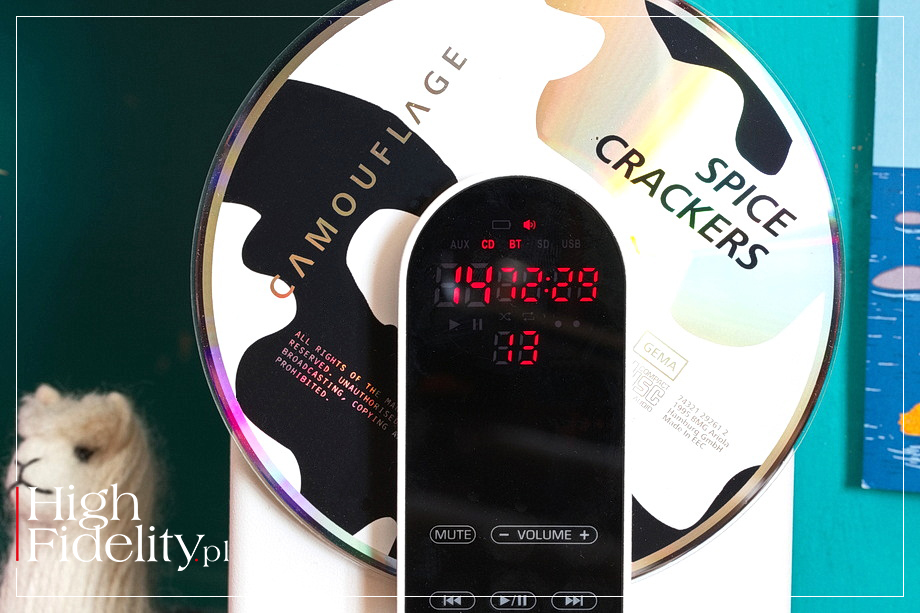
Najpierw o lekturze. Okazuje się, że o języku białoruskim nic nie wiedziałem. Naprawdę nic. A to, co wiedziałem okazało się niepełne, wadliwe, a w gruncie rzeczy można było sobie całą tę moją „wiedzę” o dupę rozbić, tyle z niej pożytku. Było może nawet gorzej, nie ma przecież niczego bardziej niebezpiecznego od przekonanego o swojej słuszności laika. Dlatego też lektura artykułu była dla mnie czymś nowym. Zainteresowało mnie również to, co Sulima mówi o dwujęzyczności, zarówno białorusko-polskiej, jak i białorusko-rosyjskiej. Jak pisze, rzadko przybiera ona postać swobodnego współistnienia dwóch równorzędnych kodów; znacznie częściej odpowiada temu, co socjolingwistyka opisywała pod pojęciem dyglosji – trwałego podziału funkcji między językami, w którym jeden obsługuje sfery oficjalne, publiczne i „poważne”, a drugi zostaje zepchnięty do prywatności, emocji lub symboliki. I dalej:
Charles Ferguson, który wprowadził to pojęcie, zwracał uwagę, że taki układ nie wynika z kompetencji użytkowników, lecz z norm społecznych: niektórych rzeczy po prostu „nie wypada” powiedzieć w języku niższej rangi. Joshua Fishman rozszerzył tę obserwację, pokazując, że gdy ten podział utrwala się instytucjonalnie – w edukacji, administracji i mediach – prowadzi nie do natychmiastowego zaniku języka słabszego, lecz do stopniowego odbierania mu kolejnych domen życia, aż ten przestaje być narzędziem spontanicznego działania.
⸜ TOMASZ SULIMA, Mowa niewygodnej bliskości, Dwutygodnik 2026, № 437, → www.DWUTYGODNIK.com, dostęp: 19.05.2026. Dyglosja o której mówi Sulima jest figurą wykraczającą poza wąskie rozumienie języka narodowego. Dostrzeżemy ją także w innych dziedzinach życia, bo przecież – jak się wydaje – wszystko jest swego rodzaju „językiem” (por. moje przygody z Nori, króliczycy z Uszatej Przystani → TUTAJ). Ma to zastosowanie również wszędzie tam, gdzie używa się języka „wysokiego” i „niskiego”. Taki podział funkcjonuje również w audio. 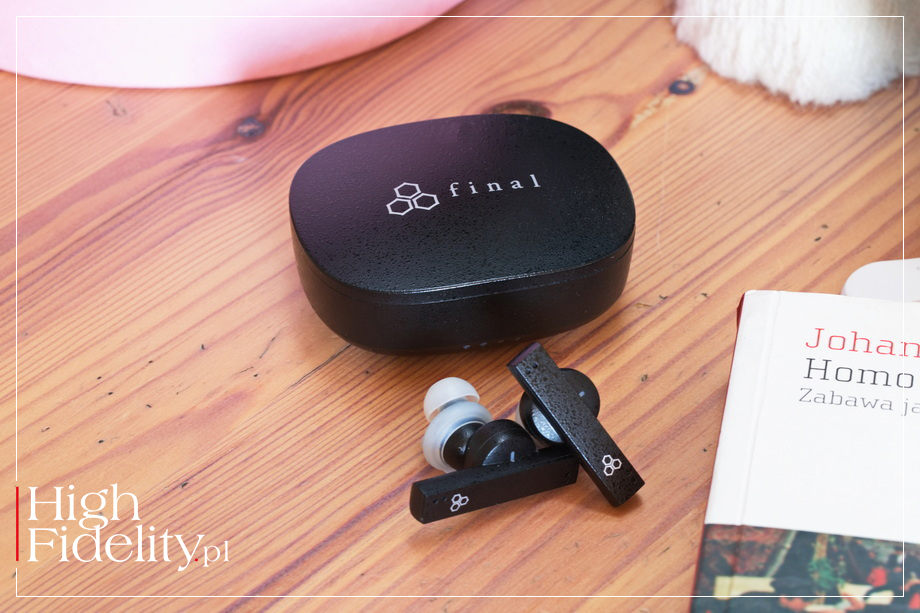
Na pewno to państwo zauważyliście, a jeśli nie, to i tak gracie w tę grę. Pisząc testy sięgam po rejestry „wysokie”. Łamię je, kiedy tylko mogę, „niskimi”, ponieważ są to teksty mające mieć w założeniu wydźwięk uniwersalny. Czyli wykraczający poza małą grupę „wtajemniczonych”. Mamy swój własny język branżowy, zachowania, powiedzenia i „bagaż kulturowy”, co jest wysoką barierą do pokonania dla tych, którzy chcieliby się w to włączyć. Widzę, że państwo pisząc do mnie maile z prośbami o poradę również staracie się zachować to „decorum”, nie popadając w slang. Nie zawsze się to udaje, ale doceniam starania. Chodzi o to, że rejestr „wysoki” języka jest rejestrem precyzyjnym i szeroko pojemnym, że tak powiem. Pozwala sformułować problem w taki sposób, że jest on czytelny dla więcej niż dwóch osób spędzających z sobą wiele czasu lub poświęcających wiele czasu na dyskusje prowadzone w socialach i na portalach dyskusyjnych. Jest jednak też i język, o którym powiedziałem „slang”, a który jest czymś w rodzaju „mowy codziennej” . Nie lubię jej – nie będę udawał – męczą mnie te wszystkie „DACi”, „bridże”, „przewody” i tak dalej. Czasem zapuszczam się bliżej tego pola, pisząc o „sieciówkach”, robię to jednak ostrożnie i zaraz wracam na pole, na którym czuję się pewnie. Tak się składa, że język potoczny jest językiem, w którym wypowiada się większość konstruktorów DIY. 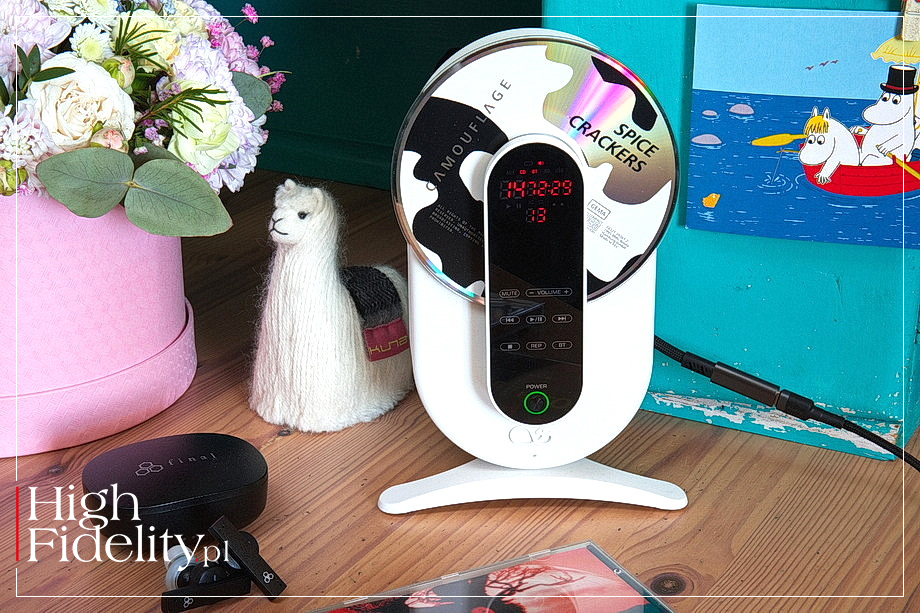
Rzecz w tym, że obydwa są częścią tej samej grupy użytkowników, którzy przełączają się między nimi w zależności od kontekstu, w którym się znajdują. I nie ma jednego bez drugiego. Jak w klasycznej dyglosji. Większość audiofilów w codziennych rozmowach używa idiomów właściwych danej podgrupie, wyrażeń ukutych na potrzeby konkretnego zjawiska, a także neologizmów, których sens pojmują często tylko ich twórcy. Mimo mojej niechęci przyjmuję do wiadomości, że jest to język żywy, to znaczy na bieżąco dopasowujący się do zmieniającego się świata. Pod tym względem opisuje go lepiej niż język producentów, kolorowych broszur, ładnych stron www. Ponieważ jest jednak chaotyczny i hermetyczny, że poprzestanę na dwóch słowach zaczynających się na dwie różne litery „h”, o których tak wspaniale pisze autor Mowy niewygodnej bliskości, wymaga czegoś w rodzaju rafinacji, to znaczy uporządkowania i przypisania słowom konkretnego pola znaczeniowego. Tym zajmuje się prasa (a przynajmniej powinna). Napięcie pomiędzy mową „wysoką” i „codzienną” jest czymś, co zauważam również w kontekście technologii. Bo czymże innym jest to, co czytacie państwo w magazynach audio, a w czym uczestniczycie pisząc na jednym z portali dyskusyjnych? Pierwsze operują językiem sformalizowanym i oficjalnym, drugie są odbiciem tego, jak mówimy na co dzień. Prasa to rozbudowane, pogłębione opisy, a portale stawiają na wrażenie, emocje i operują skrótami. Uogólniam, bo przecież w dobie internetów granice między tym, co oficjalne i prywatne zatarły się. Pamiętam, było to całkiem niedawno, jak któryś z big techów promował swoje rozwiązania mówiąc, że „każdy jest twórcą”. To kłamstwo, manipulacja służąca wkręceniu jak największej liczby użytkowników w proces tworzenia treści, a treść plus uwaga są tym, czego od nas oczekują i na czym robią pieniądze. Im więcej ludzi uwierzy więc w to hasło, tym więcej pieniędzy przepłynie do miliarderów z Doliny Krzemowej. Hasło o którym mowa padło jednak na podatny grunt. 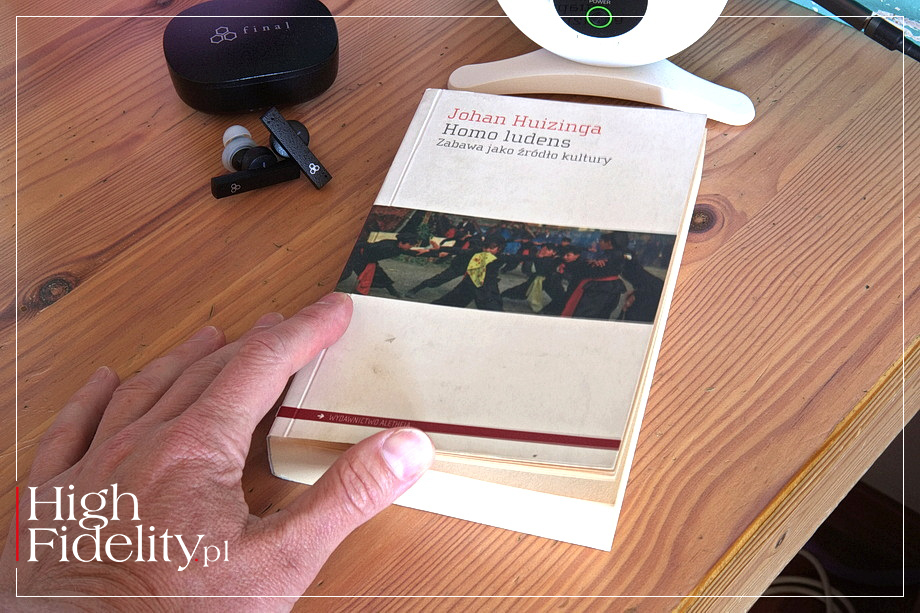
Z czym docieramy do „wiadomości”, o której wcześniej wspomniałem. Mam nadzieję, że Tomek się nie obrazi, jeśli przywołam, choćby częściowo, jego wpis. Chodziło w nim, tak ogólnie, o podziękowanie i o pochwałę mojej porady dotyczącej małego odtwarzacza CD, który miałby współpracować z głośnikami aktywnymi, jako dodatek do streamingu. Pytanie było nawet konkretniejsze, ponieważ zawężało liczbę możliwości do urządzeń firmy S.M.S.L oraz Shanling. |
Pisząc te słowa spojrzałem w prawo, a obydwa urządzenia z logo tych marek tam były, na wyciągnięcie ręki. Tomek czyta HF uważnie, jego ostatecznym pytaniem było więc, „który z nich byłby ZAJEBIASZCZY?” Bez chwili namysłu, bo nie był mi potrzebny, odpisałem: po prostu Shanling EC Smart. Odtwarzacz S.M.S.L CD200 jest obiektywnie lepszym urządzeniem, nawet sporo. Kiedy jednak później zastanowiłem się, skąd u mnie tak jednoznaczne wskazanie, dotarło do mnie, że postawiłem na wygodę ponad ultymatywną jakość. 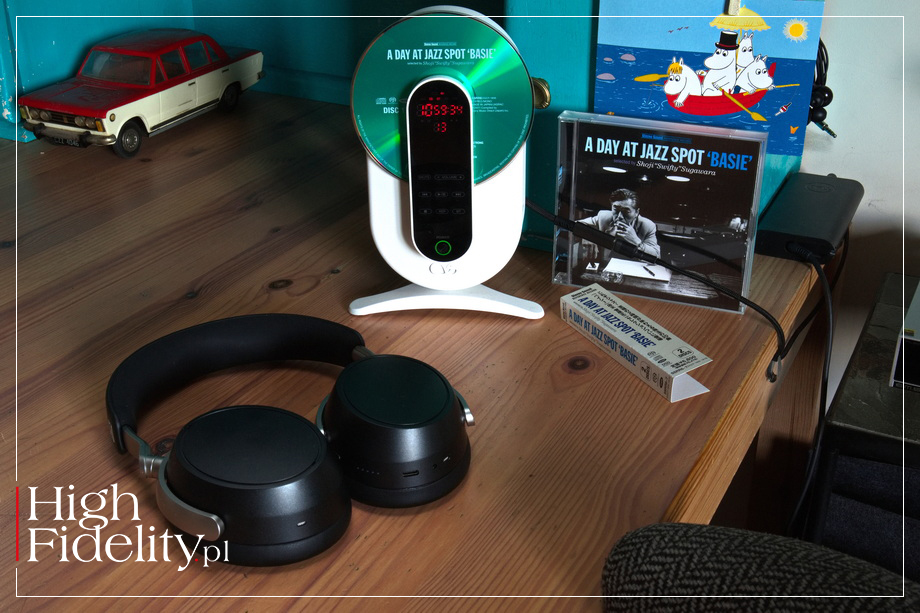
„Cedek” Shanlinga jest bowiem odtwarzaczem, który ma nadajnik Bluetooth i choć można go podłączyć również przez kabelek analogowy, nigdy w ten sposób nie słuchałem z nim muzyki. Od niemal dokładnie roku słucham za jego pomocą płyt CD, głównie po południu i wieczorem (w nocy) i robię to przez słuchawki Bluetooth. Godziwe, nawet wybitne – to Final Audio, model ZE8000 Jibun Dummy Head, test → TUTAJ – ale jednak Bluetooth. I sprawia mi to niewysłowioną radość. Jest tak, że przez ostatni rok przesłuchałem wielokrotnie więcej płyt niż wcześniej. Codzienne testy to kilka godzin przerzucania krążków i przesyłania plików, ale to najczęściej praca. Bywam po niej zmęczony i jedyne, na co mam ochotę, to Tidal i szukanie nowych, starych, znanych i nieznanych płyt, dla rozluźnienia. Również przez słuchawki Bluetooth. Jak to więc jest, mogą państwo zapytać, z jednej strony człowiek pisze o odlotach audio, a z drugiej czerpie radość z technologii słabej technicznie, mocno podejrzanej jeśli chodzi o dźwięk i notorycznie źle aplikowanej? Nie mam na to żadnej mądrej odpowiedzi, bronił się nie będę – winien, winien jak diabli! I mówię to z uśmiechem na ustach, ponieważ jest w tym coś, co wobec „wysokiego” statusu testów daje mi radość płynącą z czegoś, z czym nie muszę się spinać. A radość daje, bo to naprawdę świetny sposób obcowania z muzyką. Odtwarzacz Shanlinga oferuje zaledwie podstawowy, absolutnie ścierwiasty kodek audio SBC, a mimo to, z dobrymi słuchawkami, jest niesamowity. Wiedząc, co Shanling sobą oferuje nie zdziwiłem się więc, kiedy po godzinie czy dwóch Tomek odpisał, że zachęciłem nie tylko osobę, która pytała, ale także i jego. I jeszcze Tomka Foltę, gospodarza spotkań KTS-u, który również sobie to cudeńko kupił. Wątek kończył się słowami: „Ale mam banana…” Z mojej strony – absolutne zrozumienie, jak takiego banana mam od roku. I jeszcze mój syn, który również słucha muzyki z takiego samego odtwarzacza. Wiemy już „co”, wiemy też „jak”, wciąż nie jest jednak jasne „dlaczego”. Prawdę mówiąc nie jest to łatwe do wytłumaczenia. A przynajmniej tak mi się wydawało. Z jednej strony jest przecież tak, że ja, Wojciech Pacuła, osoba o ustalonej przecież pozycji i ustalonym wizerunku w państwa oczach, będąca w nieustającym highendowym ciągu i pochylająca się nad różnicami w podstawkach pod kable, czerpie radość z obcowania z technologią ułomną, przestarzałą i – w kontekście tym, czym się zajmuję na co dzień – niemalże wstydliwą. Nie potrafię tego inaczej wyjaśnić niż jako potrzebę zabawy. Tak – zabawy. Becca Rotfield, autorka książki Wszystko to zbyt małe, pisze (wprawdzie w kontekście seksu, ale pasuje mi to jak ulał):
W swoim głównym opus z 1938 roku Homo ludens znakomity holenderski historyk kultury Johan Huizinga wyjaśnia, że zabawa „nie jest »zwyczajnym« życiem [lecz jest] czynnością tymczasową, przebiega sama przez się”, czyli na własnych zasadach. Zasady te są rozmyślnie odmienne od zasad codzienności: gdyby zabawa naśladowała reguły, do których się powszechnie stosujemy, nie byłoby powodu się w nią angażować.
Zarówno ona, jak i ja zahaczamy o Huizingę nieprzypadkowo, mimo że przecież jego prace są niemalże antyczne. To jeden z najciekawszych badaczy kultury, którego wpływ na współczesną naukę trudno przecenić. Na Wydziale Polonistyki, który kończyłem, znany był przede wszystkim jako autor niebywałej Jesieni średniowiecza (1919), dzieła będącego wynikiem jego prac nad tekstami innych badaczy, co było wówczas techniką niemalże wywrotową. Z kolei nauki socjologiczne sięgają najczęściej właśnie po Homo ludens. Obydwie stanowią punkt odniesienia, zarówno dla tych, którzy się z nim zgadzają, jak i tych, którzy podważają jego ustalenia. Ale – stanowi. O niezwykłej nośności jego idei niech świadczy znane niegdyś powiedzenie: „zrobić (komuś) z dupy jesień średniowiecza”. Może mało akademicki przykład, ale jakże wymowny, prawda? W każdym razie to, co Holender pisał niemal dziewięćdziesiąt lat temu wciąż jest uważane za właściwy tor myślenia. Bo przecież, jeśli pójdziemy tym tropem, sięgnięcie przeze mnie po niedrogi (i to bardzo) odtwarzacz CD oraz przesył sygnału do słuchawek Bluetooth, podczas gdy dosłownie obok stoi system za grube setki tysięcy złotych, wydaje się właśnie takim „przekroczeniem”. Być może wyjaśnieniem jest to, co dalej pisze Rotfield, a mianowicie, że w zabawie kluczowe jest to, iż stanowi „zbyteczny nadmiar” . Być może to jest jedna z przyczyn radości, jaką daje. Nie byłoby to jednak możliwe gdyby nie coś fundamentalnego: to naprawdę dobrze brzmi, to naprawdę dobrze gra. Tę niespodziewaną wartość Bluetootha zauważyłem resztą w kilku innych przypadkach, testując urządzenia wyposażone w tę łączność, a będące produktami stricte audiofilskim, na przykład słuchając przedwzmacniacza liniowego → DIVALDI GOLD PRE ONE czy wzmacniacza → AUDIO RESEARCH CORPORATION I/70. 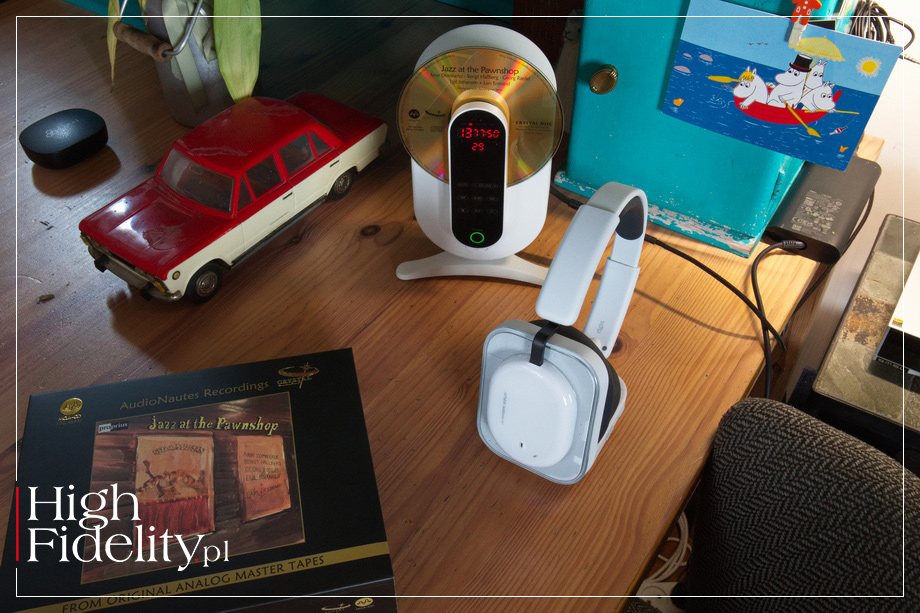
To, co mnie ujęło w tych odsłuchach i czego doświadczam codzienne odpalając CD Shanlinga i słuchawki Final Audio, to ładny, ciepły dźwięk o sporej głębi, a także brak „ciśnienia”. Słuchając w ten sposób muzyki odrzucam cały bagaż audiofilizmu, korzystając jednak z jego pracy. To znaczy nie muszę się „bać” o to, jak „to zagra”, bo wiem, że zagra co najmniej bardzo dobrze. A to dlatego, że produkty o których mowa są dopracowane, odsłuchane i „dostrojone” w reżimie, który sprawia, że muzyka brzmi w sposób, w jaki powinna. Tylko tyle i aż tyle. Zabawowy charakter tych zachowań jest tak fajny dlatego, że nie jest przeciwko czemuś albo komuś. Jest „obok”, ewentualnie, czasowo, „w zamian”. Słuchanie muzyki z odtwarzacza Shanlinga nie jest buntem, ponieważ nie chodzi w nim o wywracanie hierarchii, ta jest jasna. Wprawdzie Huizinga zwraca uwagę na to, że „wspólne zabawy w zasadniczych swoich zarysach mają antytetyczny charakter”, czyli coś przeciwstawiamy czemuś innemu. Ale zaraz potem dodaje, że nie jest to jednak konieczne. W taki też sposób widzę zabawę, jakiej się oddaję, kiedy wieczorem odpalam Bluetooth. Zabawę, czyli – jak mówiliśmy – swego rodzaju udawanie. To udawanie nie jest jednak próbą wywrócenia porządku. Nie chodzi o to, że korzystanie z Bluetootha wykazuje bezsensowność audiofilizmu, jest dokładnie odwrotnie. Jeśli zabawa jest „przekroczeniem”, to chwilowym, warunkowym i mającym sens tylko dlatego, że jest co przekraczać. Byłoby to więc coś zupełnie innego niż karnawał. Pozornie podobny do zabawy ma inne cele i metody. Autorka książki Wszystko to byt małe pisze, że karnawał jest powiązany ze świętem, to raz, a dwa, że polega on na „odwróceniu zwykłego porządku rzeczy”. Zabawa jest odstępstwem, ale przyjaznym wobec „odwracanego”, natomiast karnawał – jak dalej pisze – stawia ustalony porządek na głowie, „pozwalając, by przez pewien czas królował chaos”. Zupełnie nie o to w mojej przygodzie z Bluetoothem chodzi. 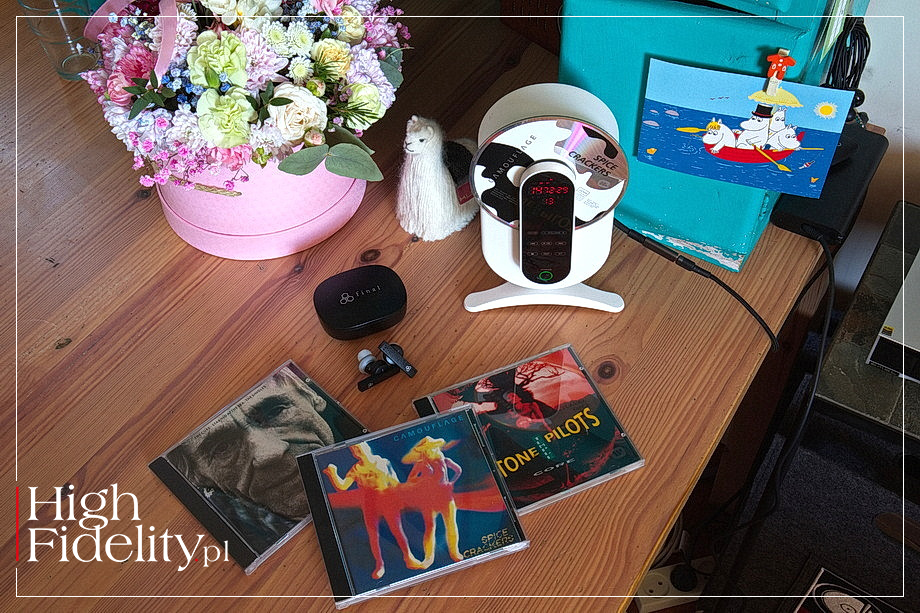
Kiedy siadam z książką, pismem czy po prostu skrolując internet na komórce, kiedy siadam w ten sposób ze słuchawkami na głowie, z kręcącą się płytą CD za moimi plecami – Shanling stoi nieco z tyłu, po prawej – moim celem nie jest rewolucja. Nie chodzi mi o udowodnienie czegokolwiek. Byłaby to zresztą rewolucja w pewien sposób „prześniona”, bo spóźniona. Dla absolutnej większości posiadaczy smartfonów Bluetooth jest technologią przezroczystą, jest czymś branym za pewnik. Moje działanie, jeśli chciałbym rewolucjonizować cokolwiek, byłoby więc śmieszne. To dla audiofilów jest ona ciałem obcym. I dobrze, to jest – powtórzę – technologia dość prymitywna. Ale i źle – to jest technologia, która, w odpowiednich warunkach, daje mnóstwo radości. I tej właśnie radości, tej zabawy, tego luzu, jaki można dzięki niej mieć życzę państwu z całego serca. Nie musimy się przy tym martwić o to, że uczestniczymy w czymś „niskim”, a „prawdziwi” audiofile poświęcają czas „wysokiemu”. Jest zupełnie inaczej. Podtytuł pracy Huzingi brzmi bowiem: Zabawa jako źródło kultury. Słuchając muzyki przez Bluetootha będziemy więc w samym jej centrum. ‖ WP WOJCIECH PACUŁA |
 |
 |
 |
 |
Kim jesteśmy? |
Współpracujemy |
Patronujemy |
|
HIGH FIDELITY jest miesięcznikiem internetowym, ukazującym się od 1 maja 2004 roku. Poświęcony jest zagadnieniom wysokiej jakości dźwięku, muzyce oraz technice nagraniowej. Wydawane są dwie wersje magazynu – POLSKA oraz ANGIELSKA, z osobną stroną poświęconą NOWOŚCIOM (→ TUTAJ). HIGH FIDELITY należy do dużej rodziny światowych pism internetowych, współpracujących z sobą na różnych poziomach. W USA naszymi partnerami są: EnjoyTheMusic.com oraz Positive-Feedback, a w Niemczech www.hifistatement.net. Jesteśmy członkami-założycielami AIAP – Association of International Audiophile Publications, stowarzyszenia mającego promować etyczne zachowania wydawców pism audiofilskich w internecie, założonego przez dziesięć publikacji audio z całego świata, którym na sercu leżą standardy etyczne i zawodowe w naszej branży (więcej → TUTAJ). HIGH FIDELITY jest domem Krakowskiego Towarzystwa Sonicznego. KTS jest nieformalną grupą spotykającą się aby posłuchać najnowszych produktów audio oraz płyt, podyskutować nad technologiami i opracowaniami. Wszystkie spotkania mają swoją wersję online (więcej → TUTAJ). HIGH FIDELITY jest również patronem wielu wartościowych wydarzeń i aktywności, w tym wystawy AUDIO VIDEO SHOW oraz VINYL CLUB AC RECORDS. Promuje również rodzimych twórców, we wrześniu każdego roku publikując numer poświęcony wyłącznie polskim produktom. Wiele znanych polskich firm audio miało na łamach miesięcznika oficjalny debiut. |
 


|
  |
strona główna | muzyka | listy/porady | nowości | hyde park | archiwum | kontakt | kts
© 2009 – 2026 HighFidelity, design by PikselStudio