

270 Październik 2026
- 01 października
- TEST Z OKŁADKI: WESTMINSTERLAB Omne ⸜ wzmacniacz zintegrowany
- NAGRODY: STATEMENT in High Fidelity ‖ Warsaw Edition 2026
- KRAKOWSKIE TOWARZYSTWO SONICZNE ⸜ spotkanie № 157: SPHINX Element 3 - kolumny głośnikowe • wolnostojące
- FELIETON: Cyberpunkowy eklektyczny purysta, czyli jak uratować monofoniczne lampy 64-bitowym sumowaniem
- TEST: ACCUPHASE DC-500 ⸜ przetwornik cyfrowo-analogowy
- TEST: DARTZEEL CTH-8550 Mk II ⸜ wzmacniacz zintegrowany
- TEST: KROMA ATELIER Jowita ⸜ kolumny głośnikowe • wolnostojące
- TEST: WESTEND AUDIO Servus ⸜ przetwornik cyfrowo-analogowy
- TEST: AUDIO RESEARCH Reference 7 ⸜ przedwzmacniacz liniowy
- 16 października
- WYSTAWA ⸜ zaproszenie: HIGH FIDELITY na AUDIO VIDEO SHOW 2026
- WYWIAD ⸜ seria „The Editors” № 38: CATALIN CRISTESCU • „Soundnews” ⸜ dziennikarz
- TEST: JBL Summit Pumori ⸜ kolumny głośnikowe • wolnostojące
- TEST: MUSICAL FIDELITY M6xi ⸜ wzmacniacz zintegrowany
- TEST: OWL AUDIO Grove 18.0 ⸜ kolumny głośnikowe • podstawkowe
- TEST: SENNHEISER Momentum True Wireless 5 ⸜ słuchawki bezprzewodowe • douszne

 |
 |
 |
 |
|
Wstępniak
tekst WOJCIECH PACUŁA |
 |
No 270 1 października 2026 |
|
MADE IN… Duma i uprzedzenie
ZDARZYŁO MI SIĘ TO OSTATNIMI CZASY kilkukrotnie. Myślałem, że to przeszłość, że sprawa się ułożyła, ale jednak – nie. Chodzi o niewinne, a budzące ogromne emocje „Made in…” zamieszczane na produktach audio. Dokładniej zaś o to, że firmy z naszego kręgu kulturowego często wstydzą się tego, że ich urządzenia, kolumny czy kable są wykonywane w Chinach, na Tajwanie czy w Indonezji. Przy czym najwięcej emocji wzbudza pierwszy z wymienionych krajów. 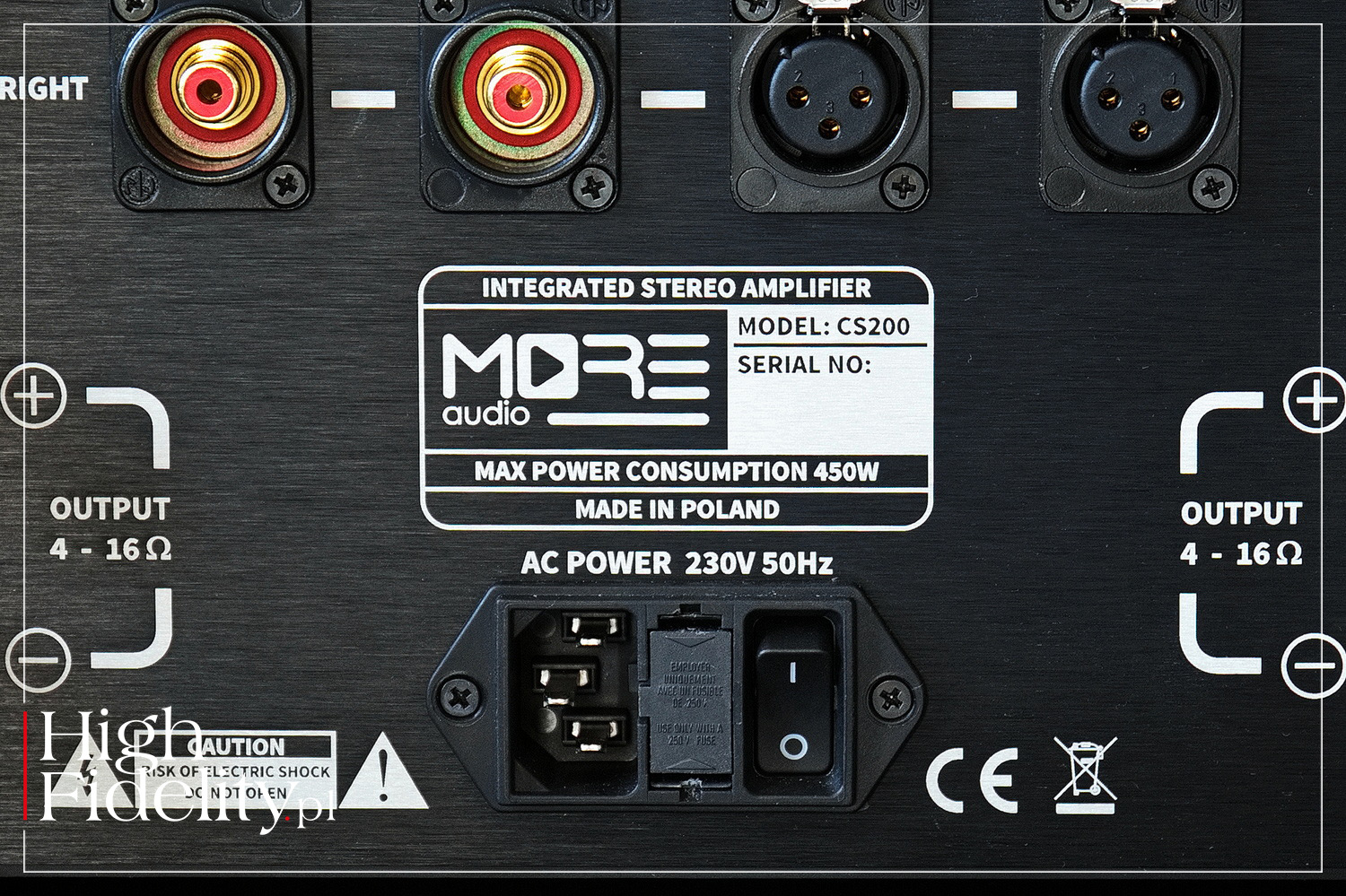
‖ Klasyka – produkt zaprojektowany w Polsce i w Polsce wykonany – More Audio CS200 Jak czytamy w „Gazecie Prawnej”, sygnowanie produktów lub towarów napisem „Made in Poland” lub innymi oznaczeniami geograficznymi może pozornie wydawać się całkowicie dowolną praktyką. Nic bardziej mylnego – czytamy dalej – kwestie te są przedmiotem zarówno ustawodawstw krajowych, jak i prawa UE oraz konwencji międzynarodowych. Gazeta MSP, pisząc o żywności, dodaje:
Zgodnie ze stanem prawnym, obowiązującym na początku stycznia 2021 r., przedsiębiorstwa mają bezwzględny obowiązek oznaczania kraju pochodzenia towarów (…). Obowiązek ten nałożony jest przez przepisy prawne Unii Europejskiej – reguluje go rozporządzenie wykonawcze Komisji (UE) 2018/775 z dnia 28 maja 2018 r.
Ustanawia ono zasady stosowania, które zostały zawarte w art. 26 ust. 3 rozporządzenia Parlamentu Europejskiego i Rady (UE) nr 1169/2011 i zaczęły one obowiązywać od dnia 1 kwietnia 2020 r. Rozporządzenie to dotyczy przekazywania konsumentom informacji na temat żywności, w odniesieniu do reguł dotyczących wskazywania kraju lub miejsca pochodzenia podstawowego składnika środka spożywczego. ⸜ IZABELA TYMIŃSKA, Country of origin... Made in... O prawnym obowiązku oznaczania kraju pochodzenia, Gazeta MSP, 17 lutego 2021, → GAZETA-MSP.pl, dostęp: 16.09.2026. Jeśli dany produkt ma nosić napis „Made in Poland”, dla przykładu, powinien przejść – to ważne – istotną, rzeczywistą i wystarczającą obróbkę. W praktyce liczy się m.in. zakres prac (co naprawdę zmieniono w towarze w Polsce), udział wartości dodanej oraz to, czy wykonanie w Polsce jest etapem decydującym, a nie wyłącznie końcowym pakowaniem czy etykietowaniem. W razie sporu, jak czytamy na portalu DBB, ciężar wykazania prawidłowości oznaczenia spoczywa na przedsiębiorcy, dlatego warto opierać się na dokumentacji produkcyjnej i ustalić wewnętrzną politykę znakowania (więcej → TUTAJ). 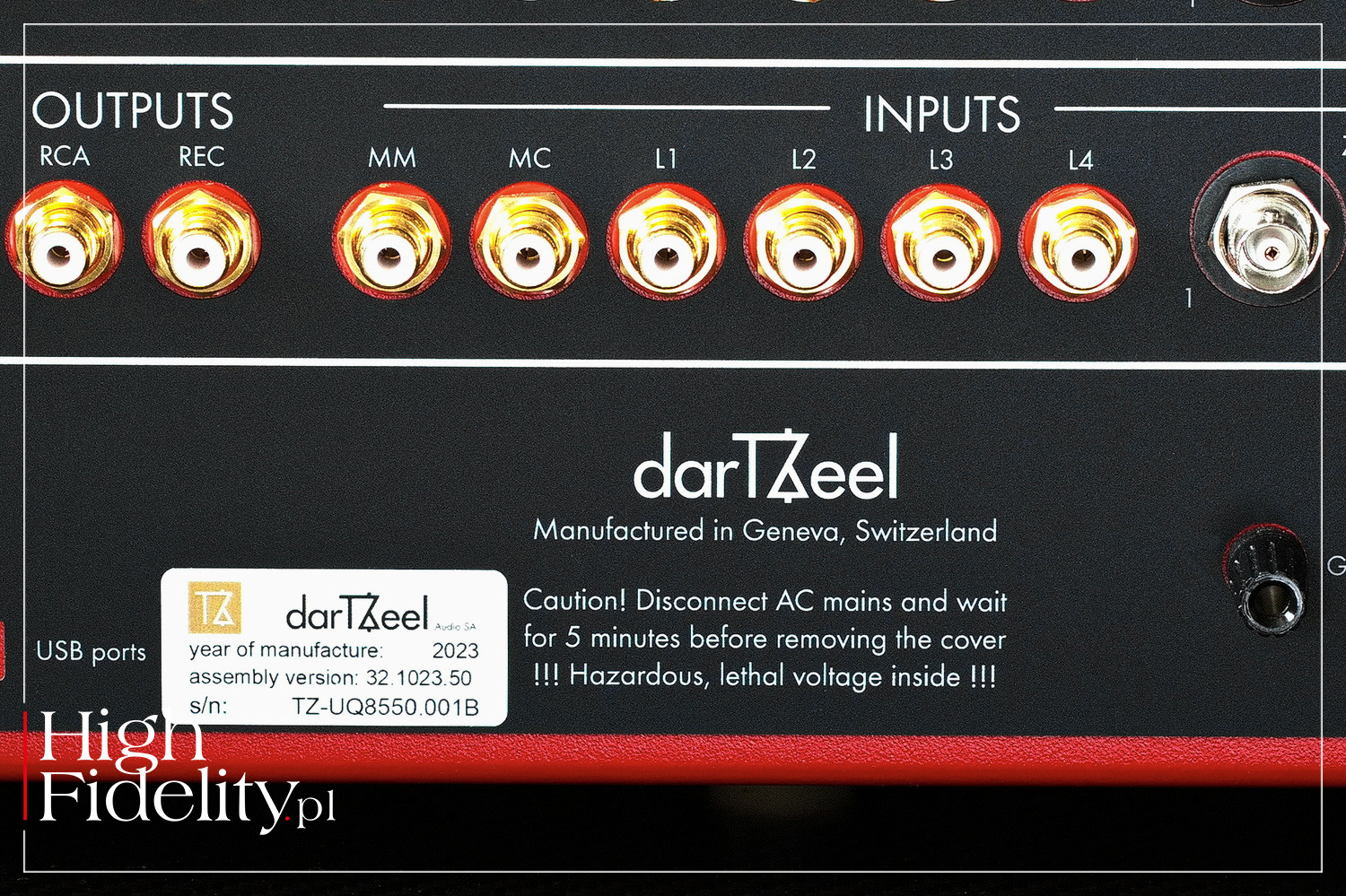
‖ I jeszcze raz, tym razem nawet z dodatkową, lokalną dumą: „Manufactured in Geneva, Switzerland” Chodzi o to, tak pokrótce, aby konsumenci wiedzieli, skąd pochodzi towar, by „móc dokonać świadomego wyboru, co do jego zakupu”. Czyli kupując, powiedzmy, wzmacniacz mamy prawo do informacji o tym, czy został on wyprodukowany w naszym kraju, w kraju o którym uważamy, że jest solidnym i godnym zaufania miejscem, czy gdzie indziej. Po pandemicznym zastoju do głosu doszła jeszcze jedna przesłanka do uważnego czytania oznaczeń: przecięcie łańcucha dostaw. Pierwszy z powodów można by nazwać „tożsamościowym”. Doskonale pamiętam pierwsze produkty pochodzące z ChRL, którymi zetknąłem się w czasach, kiedy jeszcze pracowałem w magazynie „Sound and Vision”, czyli dwadzieścia trzy czy cztery lata temu. Były to produkty tamtejszych producentów, ale i coraz częstsza produkcja Brytyjczyków, którzy przenieśli tam swoje fabryki lub zostali wykupieni przez chińskie firmy. Nota bene, współcześnie znamy wiele marek, które tak funkcjonują, najwięcej skupionych w ręku IAG (International Audio Group: Leak, Mission, Castle, Wharfedale, Audiolab, QUAD czy Luxman). Te pierwsze produkty z kraju powstałego w cieniu Wielkiego Muru przyjmowane były w branży jak UFO, obcy, którzy wylądowali na naszej planecie. Byliśmy ich ciekawi, widzieliśmy ich odmienność od „naszych” urządzeń, chociażby po charakterystycznym, piaskowanym wykończeniu aluminium i po niebieskich światełkach, dostrzegaliśmy ich słabości. Były bowiem wyraźnie słabszej klasy niż większość tego, z czym mieliśmy do czynienia do tej pory. Były jednak o wiele tańsze od konkurencji. Z czasem zaczęło się to zmieniać. Urządzenia elektroniczne, bo o nie chodziło przede wszystkim, ale i kolumny były coraz lepiej wykonane, coraz lepiej też „grały”, co przecież kluczowe. Współcześnie, choć czasem ich projekt plastyczny wciąż nieco odbiega od naszych przyzwyczajeń, to już wykonanie, podzespoły i brzmienie są na takim samym poziomie jak to, co otrzymujemy z firm europejskich czy amerykańskich. Często zresztą – lepsze. 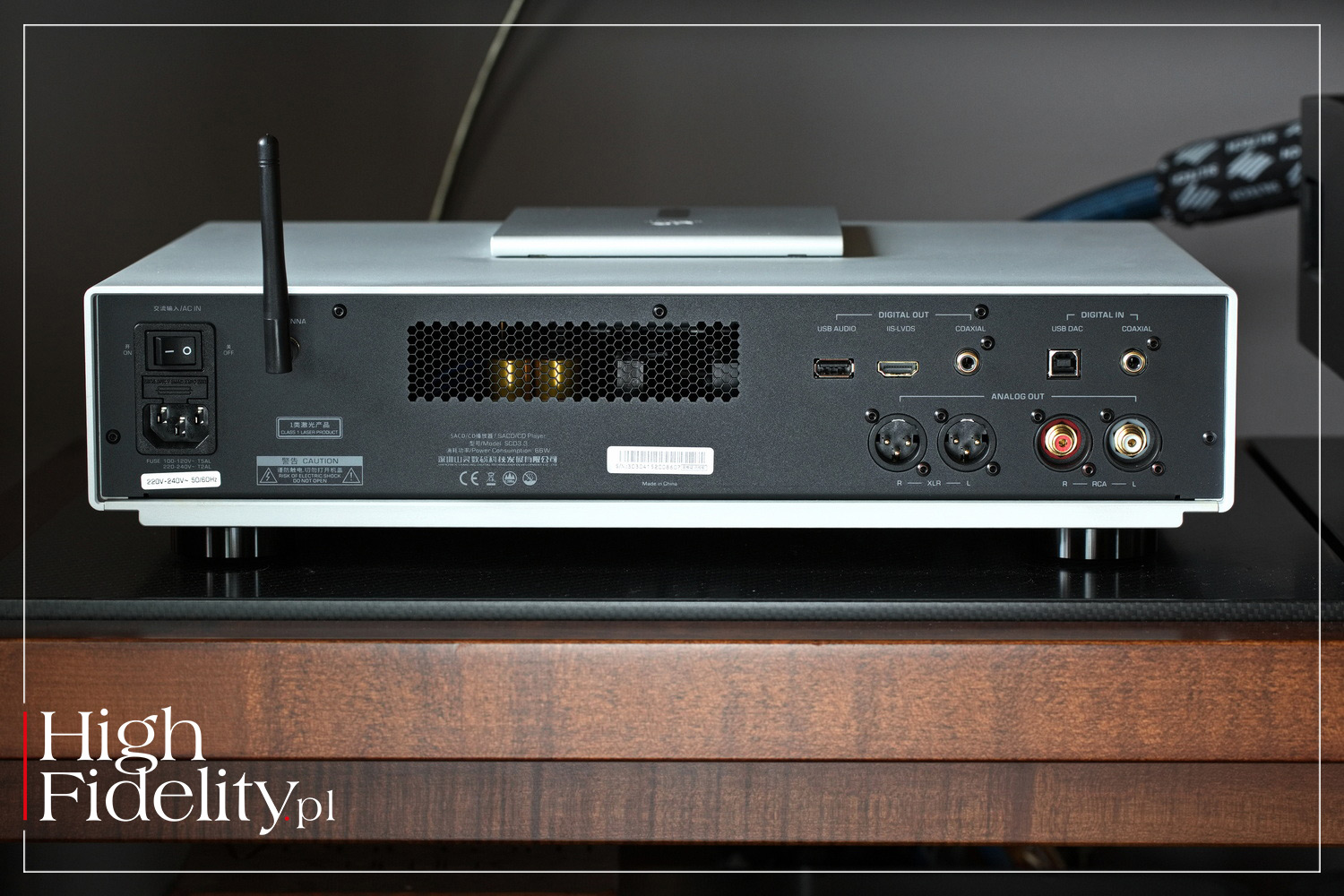
‖ „Made in China” to teraz raczej powód do dumy, przynajmniej jeśli chodzi o klasę urządzeń – tył odtwarzacza SACD/MQA Shanling SCD3.3 Mimo to wciąż jest w nas – sorry za to „my”, ale mam wrażenie, że to jednak dotyczy nas wszystkich – głębokie uprzedzenie do wyrobów „Made in China”. A przecież mogłoby się to z czasem znormalizować i moglibyśmy przestać je uważać za coś „gorszego”. Stare przecież minęło, że przywołam klasyka. Przypomnijmy, że niemal identyczną drogę przeszły produkty z Japonii. W latach 40. i 50. XX wieku były na Zachodzie synonimem taniej, tandetnej podróbki. To spojrzenie na ten kraj wiązało się z zapóźnieniem gospodarczym wywołanym przez przegraną wojnę. Po kapitulacji w 1945 roku Japonia była krajem zrujnowanym gospodarczo. Aby przetrwać, tamtejsze fabryki zaczęły masowo kopiować zachodnie towary – od zabawek, przez tekstylia, aż po proste urządzenia mechaniczne. Produkty te były wytwarzane z niskiej jakości materiałów, szybko się psuły, a ich jedyną zaletą była bardzo niska cena. Nie przypomina to zaprzeszłej sytuacji z Chinami? Dzisiaj kraj ten jest jednym z najbardziej rozwiniętych gospodarczo na świecie. Tak, łamane są w nim prawa człowieka, nie ma mowy o wolności osobistej, to również kraj agresywnie rozpychający się w regionie. Tyle że produkty audio tam wytwarzane często zaskakują wyrafinowaniem konstrukcji i dźwiękiem. Recenzujemy je dość często i jest jasne, że już (zazwyczaj) nie ma mowy o kopiowaniu. Niemal za każdym razem pada słynne „w stosunku do ceny jest nie do pobicia”, co – tak przy okazji – pokazuje również, że kraj ten w dużym stopniu dotuje eksport. Z produktami „Made in China” mogło być więc coraz bardziej „godnie”. Ten trend „normalizujący” zmienił jednak wektor, jak mi się wydaje, wraz z załamaniem się łańcucha dostaw w czasie pandemii. W jednym momencie, jak za naciśnięciem guzika, okazało się, że produkcja „just in time”, która ogromnie poprawia rentowność przedsiębiorstw, jest nie do utrzymania i że lepiej liczyć na wytwórców bliskich geograficznie, najlepiej ze swojego własnego kraju. Ich praca będzie wkładem w jego rozwój (oraz rozwój regionu) a zatrudnianie w nich ludzi „stąd” oraz płacone przez nich podatki przełożą się na większą zamożność nas wszystkich. |
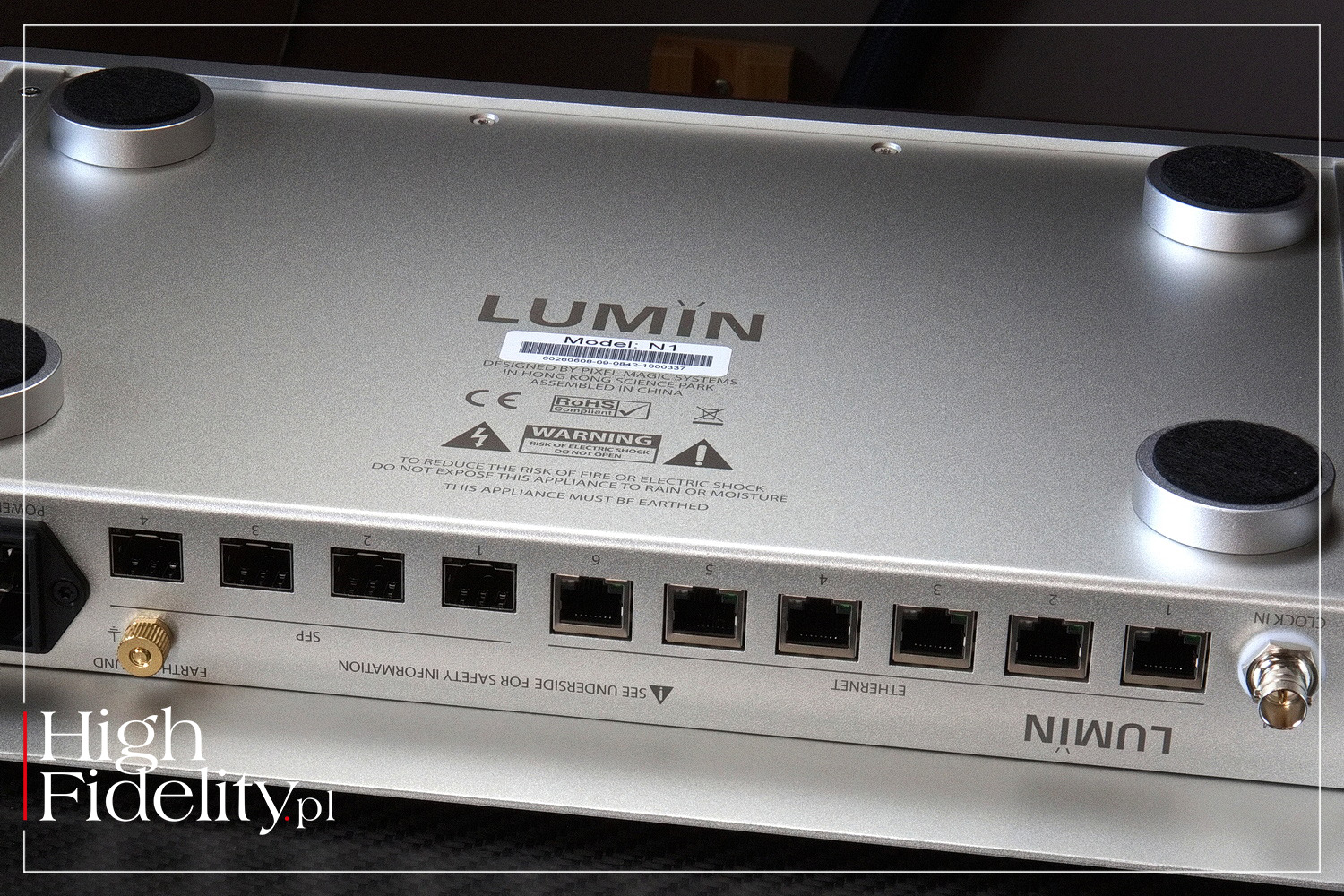
‖ Hongkong to część Chin, jednak producenci stamtąd wciąż podkreślają swoją odrębność – na zdjęciu spód przełącznika LAN N1 firmy Lumin i znamienny napis: „Designed by Piksel Magic System in Hong Kong Science Park. Assembled in China” Wydawało się to naprawdę proste, ponieważ było poparte dowodami – brakiem w pandemii i po niej komponentów, podzespołów i materiałów. Wiele firm niemal zbankrutowało z tego powodu i na gwałt musiało szukać nowych poddostawców, a często przeprojektowywać swoje urządzenia i kolumny. Lepszej reklamy rodzime biznesy mieć nie mogły. A jednak… Bardzo szybko ten kapitał został roztrwoniony. Jak sądzę dlatego, że chciwość wygrała z rozsądkiem i krótkoterminowy zysk z zyskiem w dłuższej perspektywie. Co byłoby symbolicznym domknięciem pierwotnego impulsu migracji firm na Daleki Wschód. Przypomnijmy, że masowe przenoszenie produkcji do Chińskiej Republiki Ludowej rozpoczęło się na początku lat 90. XX wieku, a po roku 2001, kiedy to Chiny oficjalnie wstąpiły do Światowej Organizacji Handlu (WTO), stały się one oficjalną „fabryką świata”. Branża audio, w tym jej część audiofilska, została przez te siły wessana niemal momentalnie. W naszym zakątku, w perfekcjonistycznym audio, wciąż się broniliśmy, jednak była to walka z góry skazana na przegraną. Zadecydowały za nas koncerny i więksi producenci, dla których najważniejsze są zyski w najbliższych terminach rozliczeniowych. Co ciekawe, a rzadko podnoszone, proces ten przysłużył się również nam. Wraz z doskonaleniem produkcji Chińczycy w pewien sposób wymusili poprawę jakości również i w firmach, które zatrzymały produkcję „u siebie”. Tak dochodzimy do drugiego z powodów niechęci do outsourcingu produkcji, który można nazwać „jakościowym”. 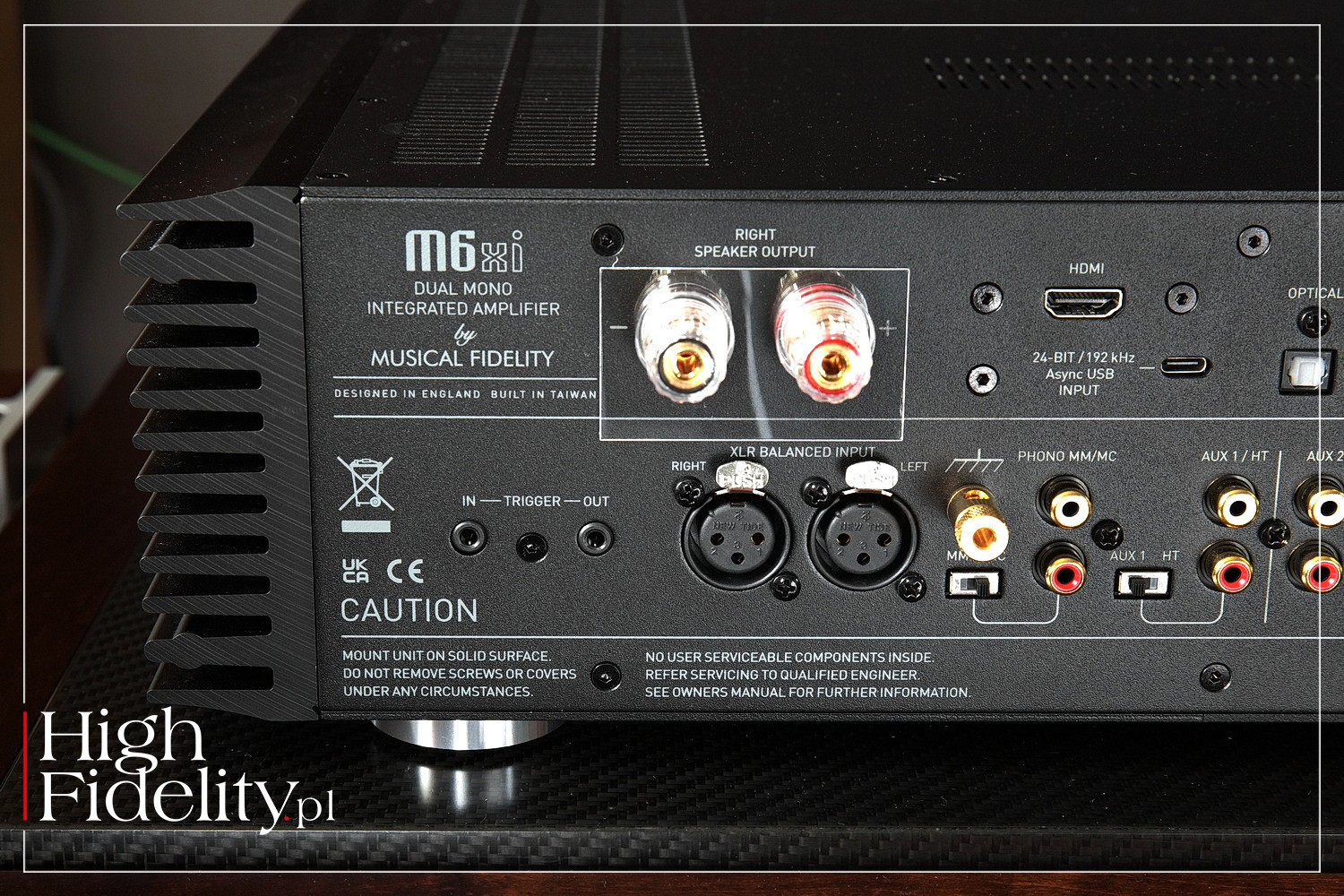
‖ Jednym z miejsc, w którym powstaje wiele produktów audio, w tym high-end, jest Tajwan; na zdjęciu wzmacniacz Musical Fidelity M6xi Już o tym mówiliśmy – przez długi czas produkty „Made in China” kojarzyły się z tandetą i podróbką. Zarówno jedno – jakość – jak i drugie – autentyczność – są dla nas niezwykle ważne. Można powiedzieć, że łączą to, co racjonalne z tym, co przeżywamy. Deyan Sudjic w artykule A jak autentyk pisze, że „autentyczność nie musi mieć nic wspólnego z pięknem, ale sugeruje połączenie szczerości z autorytetem, a to pożądane cechy w świecie przedmiotów wytwarzanych masowo”. I dalej: Autentyczność to gwarancja, że przedmiot rzeczywiście jest tym, za co się podaje. Im bardziej jest autentyczny, tym spokojniejsi jesteśmy o jego cenę, choć niekoniecznie wartość (więcej → TUTAJ). W kontekście produkcji oddelegowanej do innych krajów nikt już jednak nie mówi o „podróbkach”. Wciąż są one problemem, to jasne. Ale też często jest wręcz tak, że wiemy, że kupujemy podróbkę, a jednak w to „wchodzimy”, albo dlatego, że nas nie stać na oryginał, albo kontestujemy w ten sposób fakt, że i podróbka, i oryginał pochodzą z tej samej fabryki. Generalnie jednak panuje konsensus, że produkty audio „stamtąd” to albo autorskie konstrukcje, albo legalne zlecenia z Zachodu. Podejście zmieniło się to do tego stopnia, że teraz napis „Made in China” w większości przypadków, które znam, gwarantuje najwyższą jakość produkcji i wykonania. Nie tylko zresztą wytworów firm, które tam je zlecają, ale i rodzimych, chińskich producentów audio. Jest przecież tak, że produkty firm Shanling, Denafrips, Silent Angel, a z mniejszych – Fosi Audio, są doskonale wykonane i świetnie brzmią. Konkurują więc nie tyle że ceną, choć również, a klasą, pomysłem i dźwiękiem. Mimo to wciąż mamy obawy. O ile powód „tożsamościowy” jest, moim zdaniem, prawdziwy, ma umocowanie w faktach, o tyle ten drugi już nie. Jesteśmy świadkami powolnego wyprzedzania reszty świata przez firmy z Chin czy Indii. Być może jesteśmy blisko wypłaszczenia tego ruchu (nikt nie potrafi odpowiedzieć na to pytanie), ale nie będzie powrotu do status quo sprzed tej „rewolucji”. Wydaje się też, że jesteśmy tego coraz bardziej świadomi. 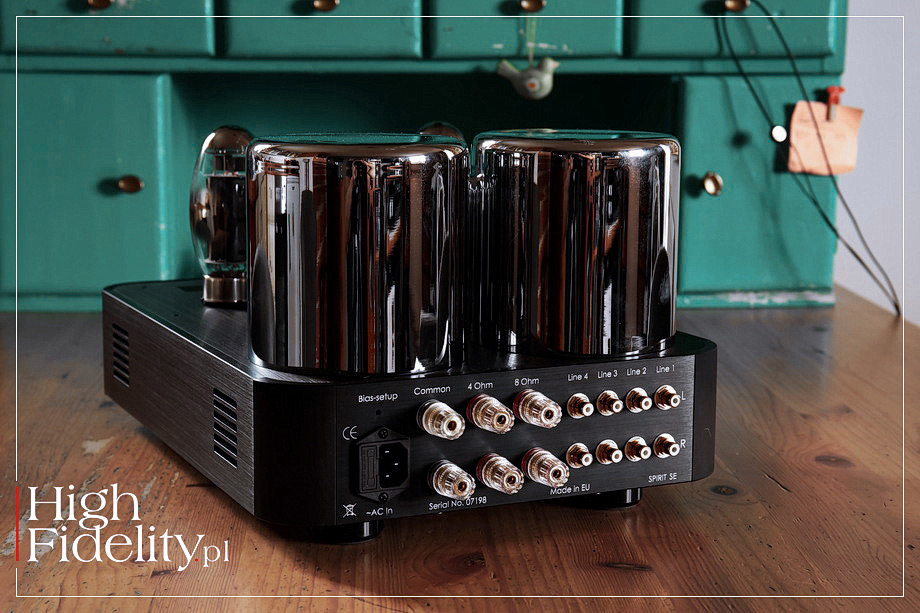
‖ Jeszcze inna strategia ukrywania miejsca pochodzenia, choć wcale nie taka zła – „Made in EU” na wzmacniaczu Ayon Audio Spirit SE; urządzenie zostało zbudowane, jak się wydaje, w Bułgarii. Na innych urządzeniach firma pisze jednak: „Made in Austria”, choć to przecież również kraj Unii Europejskiej Dlatego też obawy producentów i dystrybutorów usiłujących ukryć „Country of origin” oferowanych przez siebie produktów dotyczą nie ich jakości, a raczej tego, że mogą być potencjalnie postrzegane jako drenowanie naszych wspólnych kieszeni (narodowych, a w przypadku Polski – Unii Europejskiej) i płacenie komuś, kto, łagodnie to ujmując, nie jest nam szczególnie przychylny. Lub jako odejście od „oryginału” (choć już nie jako podróbka). Producenci próbują ten dysonans wygładzić, pisząc na tylnych ściankach i pudełkach „Designed in…”, „Manufactured in…” i tak dalej. Bo to też przecież prawda, że większość urządzeń i kolumn powstających w fabrykach w Shzenzhen to tylko wykonawcy „instrukcji” wypracowanych w Wielkiej Brytanii, USA czy innych miejscach uznawanych za „audiofislkie”. My też taką informację podajemy, tuż pod danymi producenta na początku testu. Nie zmienia to jednak podstawowego faktu – „designed” nie znaczy to samo co „made”. Wyjście są dwa. Pierwsze to powrót z produkcją do krajów, w których dany producent ma główną siedzibę. Korzystanie z lokalnych podwykonawców i poddostawców. Nie wszystko jest możliwe, znakomita większość podzespołów aktywnych powstaje w Azji (pamiętajmy, że piszę ten tekst z perspektywy Europejczyka), podobnie jak wiele innych elementów składowych, od śrub po przetworniki i ich elementy składowe (na przykład magnesy czy kosze). Jednak to tylko część tego, co składa się na gotowy produkt. O tym, że można, przekonują firmy z Polski, jak Pylon Audio, produkujący obudowy dla wielu europejskich firm, J.Sikora i Gigawatt, podbijające zagraniczne rynki. A jest i przykład Pro-Ject Audio Systems, firmy austriackiej, producenta gramofonów i elektroniki, którego fabryki są ulokowane w Czechach. Jak widać, można i da się. 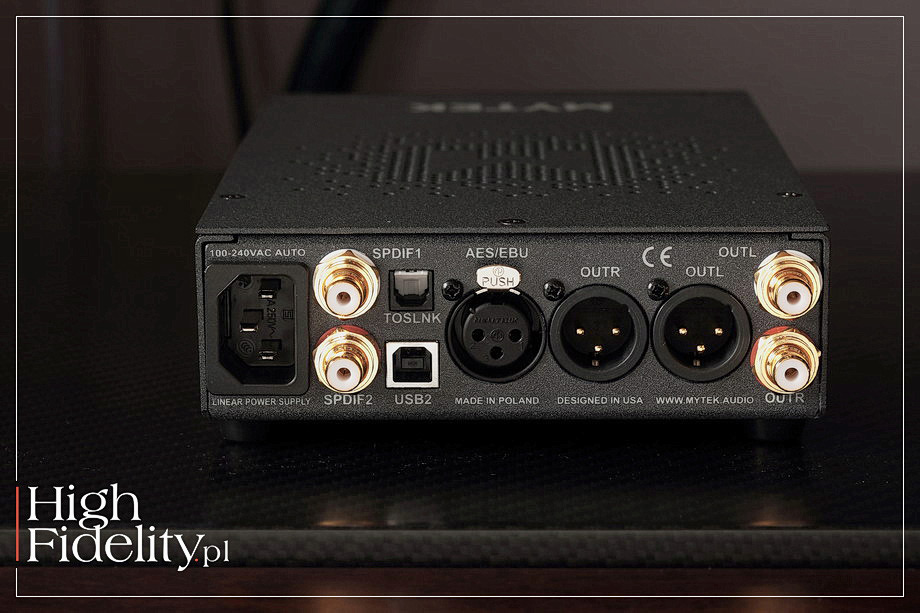
‖ Na koniec ciekawy wyjątek – DAC firmy Mytek, model Liberty II, produkowany dla amerykańskiej firmy w Polsce, a konkretnie – w Krakowie, stąd: „Made in Poland”. Jest też, oczywiście, „Designed in USA. Drugim wyjściem jest pełna transparencja. Znaczenie „Made in China”, bo przecież o tym, tak naprawdę, mówimy zmieniło swoje znaczenie. Z synonimu wadliwego, choć taniego produktu, produktu wstydliwego, zmieniło się w synonim produktu o wysokiej klasie wykonania, tyle tylko, że wykonanego „gdzie indziej”, „nie u nas”. Może więc najwyższy czas przestać się wstydzić takiego napisu i z otwartą przyłbicą wyjaśniać, co takie zmniejszenie kosztów produkcji przyniosło klientom, a wręcz jakie korzyści odnieśli oni dzięki wyprodukowaniu wzmacniacza, kolumn itp. w topowych fabrykach na świecie. Tak od uprzedzenia przejdziemy do dumy. ‖ WP |
 |
 |
 |
 |
Kim jesteśmy? |
Współpracujemy |
Patronujemy |
|
HIGH FIDELITY jest miesięcznikiem internetowym, ukazującym się od 1 maja 2004 roku. Poświęcony jest zagadnieniom wysokiej jakości dźwięku, muzyce oraz technice nagraniowej. Wydawane są dwie wersje magazynu – POLSKA oraz ANGIELSKA, z osobną stroną poświęconą NOWOŚCIOM (→ TUTAJ). HIGH FIDELITY należy do dużej rodziny światowych pism internetowych, współpracujących z sobą na różnych poziomach. W USA naszymi partnerami są: EnjoyTheMusic.com oraz Positive-Feedback, a w Niemczech www.hifistatement.net. Jesteśmy członkami-założycielami AIAP – Association of International Audiophile Publications, stowarzyszenia mającego promować etyczne zachowania wydawców pism audiofilskich w internecie, założonego przez dziesięć publikacji audio z całego świata, którym na sercu leżą standardy etyczne i zawodowe w naszej branży (więcej → TUTAJ). HIGH FIDELITY jest domem Krakowskiego Towarzystwa Sonicznego. KTS jest nieformalną grupą spotykającą się aby posłuchać najnowszych produktów audio oraz płyt, podyskutować nad technologiami i opracowaniami. Wszystkie spotkania mają swoją wersję online (więcej → TUTAJ). HIGH FIDELITY jest również patronem wielu wartościowych wydarzeń i aktywności, w tym wystawy AUDIO VIDEO SHOW oraz VINYL CLUB AC RECORDS. Promuje również rodzimych twórców, we wrześniu każdego roku publikując numer poświęcony wyłącznie polskim produktom. Wiele znanych polskich firm audio miało na łamach miesięcznika oficjalny debiut. |
 


|
  |
strona główna | muzyka | listy/porady | nowości | hyde park | archiwum | kontakt | kts
© 2009 – 2026 HighFidelity, design by PikselStudio