


|
COMPACT DISC PLAYER Ancient Audio
Manufacturer: ANCIENT AUDIO |

 |
 |
 |
|
Review
Text by WOJCIECH PACUŁA |
|
No 264 May 1, 2026 |
JAROMIR WASZCZYSZYN, founder, owner, and designer of Ancient Audio, deserves congratulations. In these times of streaming frenzy, amid growing pressure linked to a culturally driven interest in vinyl records, he has remained faithful to the format which, in my opinion, is a nearly perfect format: the Compact Disc. 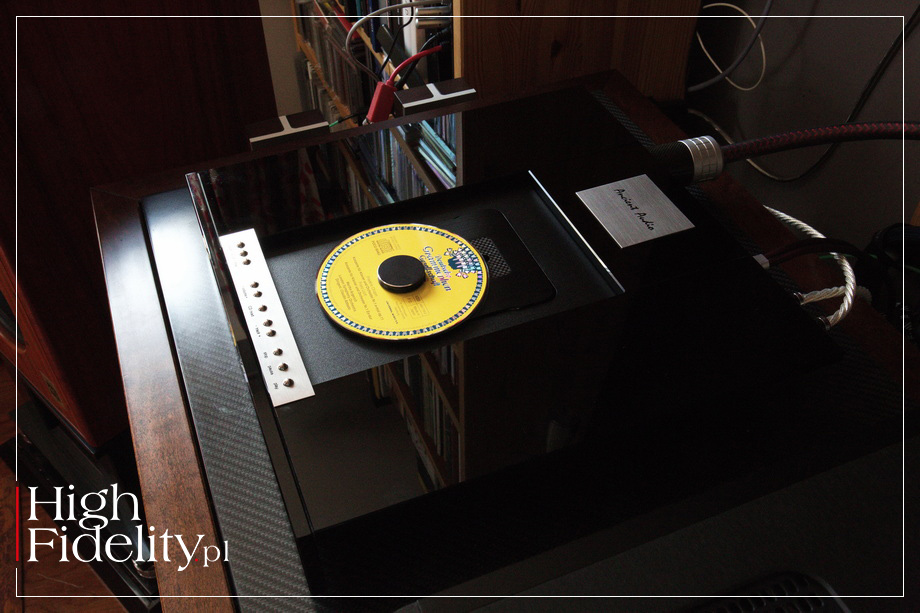
Next year marks twenty years since the company’s first-ever CD player was introduced. In 1997, the Lektor (I) was developed, and later evolved into the powerful, three-box Lektor Grand, unveiled shortly thereafter in 2002. The latest product, the Fun player, retains the form developed first for the Lektor Galaxy, with a square outline, a low-profile chassis, and a CD tray on the top panel. However, there are several changes in its design, initiated with the Joy model and refined in the 30th Anniversary model. ▲ A few simple words JAROMIR WASZCZYSZYN THERE ARE TWO VERSIONS OF THE HISTORY OF THE FUN, a short and long one. I’ll share the long version with you over a beer; for now, it’s time for the short one. For over a dozen years, while preparing my presentation for the Audio Video Show, I’ve been borrowing cables from my friends at Nautilus, one of Poland’s leading audio distributors. As those in the know are aware, I usually use cables from a well-known French company (Castorama). I do this deliberately as a designer because good equipment should sound good regardless of the cables connecting components. Trying to compensate for design flaws with cables worth the price of a car is, in my opinion, a mistake. 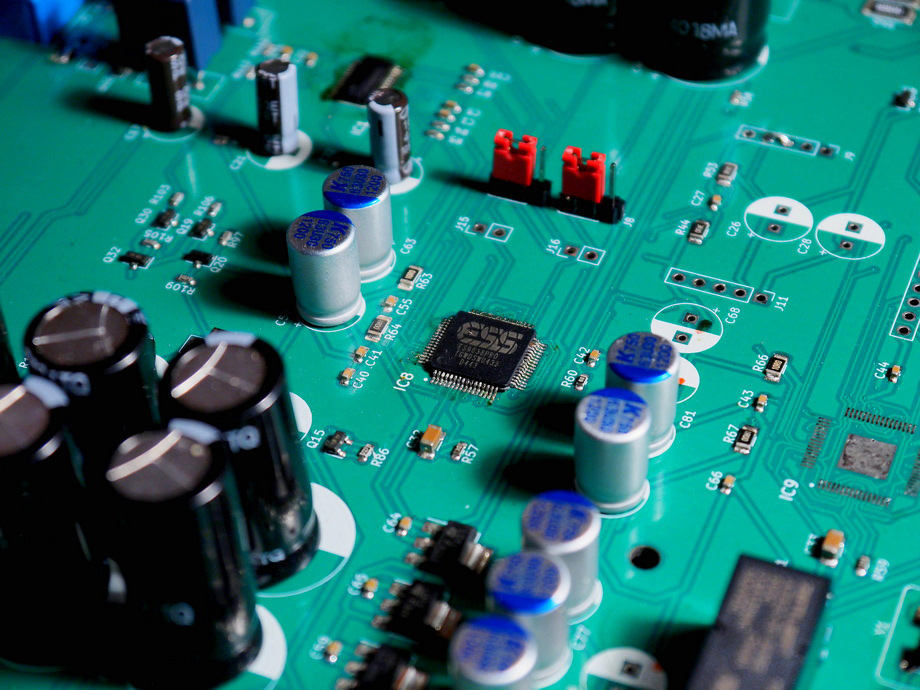
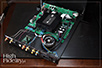
‖ Digital-to-analog converter • photo by: Ancient Audio Of course, this type of cabling slightly limits the quality of the sound that we ultimately hear from speakers. And it creates a sense of visual discomfort for the show’s visitors. That’s why, out of consideration for the ears and eyes of our esteemed guests, I borrow my favorite Siltech and Crystal Cables from Nautilus. And, as is tradition every year, when I return the cables after the show, I run into the boss, Robert Szklarz, and we start talking about “maybe we’ll do something together.” And that’s the end of it, at least until the next show. However, the last time was a little different. This time, Robert adopted a more serious tone. Because after many disappointments with streaming, customers are returning to records, vinyl, and CDs, and even to tapes and cassettes. And CD player manufacturers have bought into the propaganda of defeat. The market for manufacturers of good, durable CD players that deliver an emotional listening experience has shrunk significantly. Of course, manufacturers will eventually catch up, just as manufacturers of vacuum tubes, audio tapes, or cassettes did. But Christmas (the peak of the audio season) was just around the corner, and the warehouse was empty. 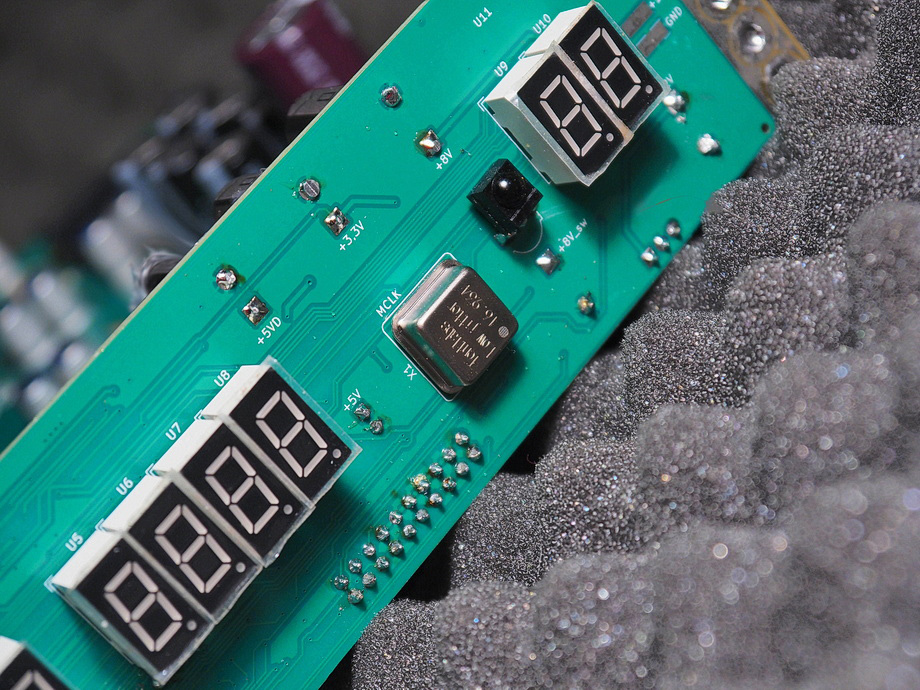
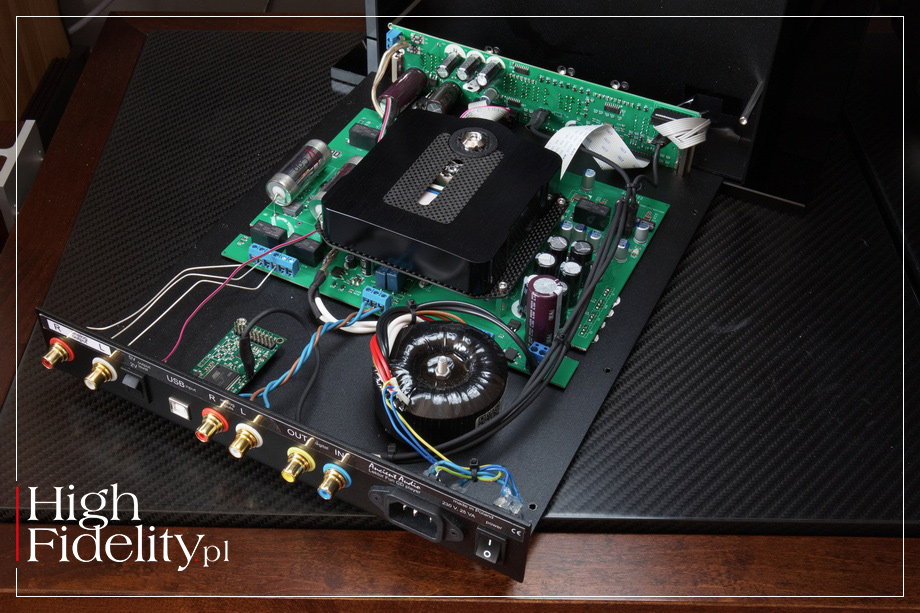
‖ The main clock circuit board is also mounted on the display PCB • Photo: Ancient Audio That’s where the short version of the story begins. There was a need to produce a new series of players within a month. The easiest solution would have been to replicate existing models. Of course, starting with the Lektor Joy, the flagship model honored with the Statement in High Fidelity award, featuring an attractive design and superb, natural, dynamic sound. But having the Joy’s chassis manufactured by a partner company in Taiwan and shipping them to Poland would have taken two months. Too late. And then there’s the cost. It would be great to offer customers a similar level of sound quality, but at about half the price. So I had to find another solution, quickly, based on previous designs and what was in stock. Since I had several sets of printed circuit boards ready for the Joy model, the new player was developed as a slightly simplified flagship. It has the same control board as the top-of-the-line player, and the audio board is identical, except that it is equipped with a single ES 9038 Pro DAC chip operating in stereo mode. There is also a single power transformer to fit everything into the smaller enclosure. 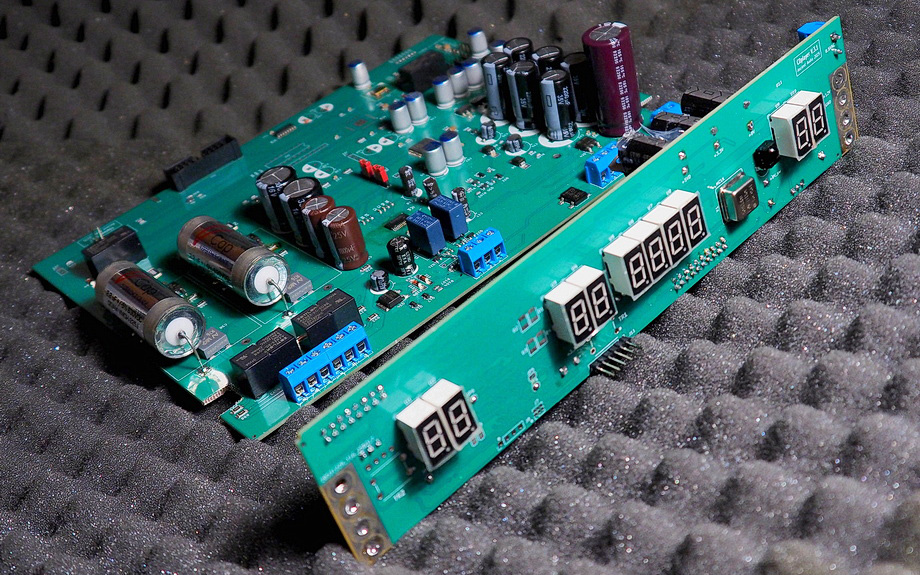
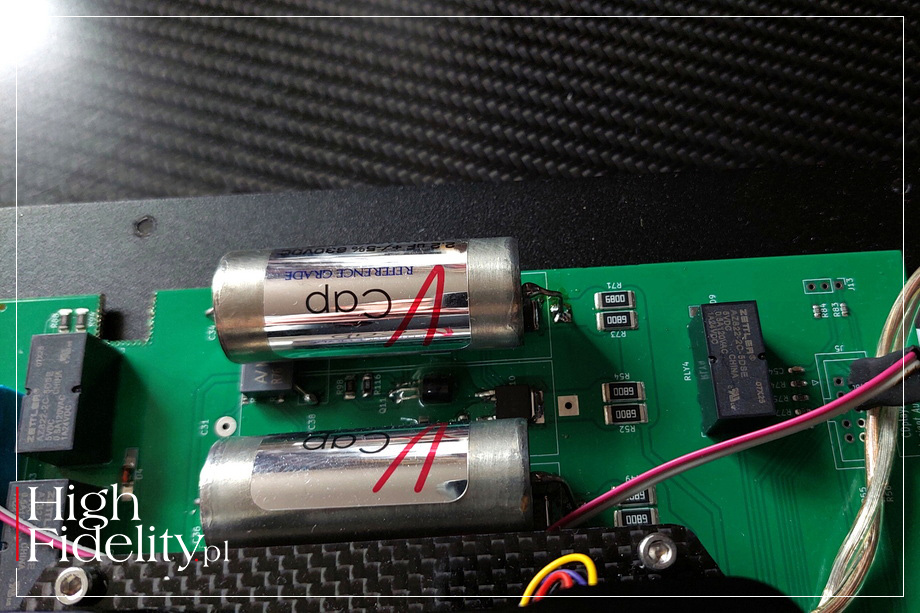
‖ The main PC and a display. • Photo: Ancient Audio The biggest change is the chassis, made of aluminum and tempered glass. It takes less time to make and is significantly cheaper than an aluminum block. The smaller enclosure necessitated the removal of XLR outputs, and consequently, the use of two ODAM series V-Cap capacitors instead of four, which also helped keep costs down. The smaller chassis also ruled out the future installation of a Digital Sound Processor. The Tent Labs clock remained in place, precisely timing the player’s entire operation. Needless to say, the pace of work was grueling. So this is a good moment to express my gratitude to all the domestic companies that manufactured the player’s components. Despite the tight deadline, no one was late! Everything was ready on time. It was then that I realized just how advanced Poland is in terms of industrial development. 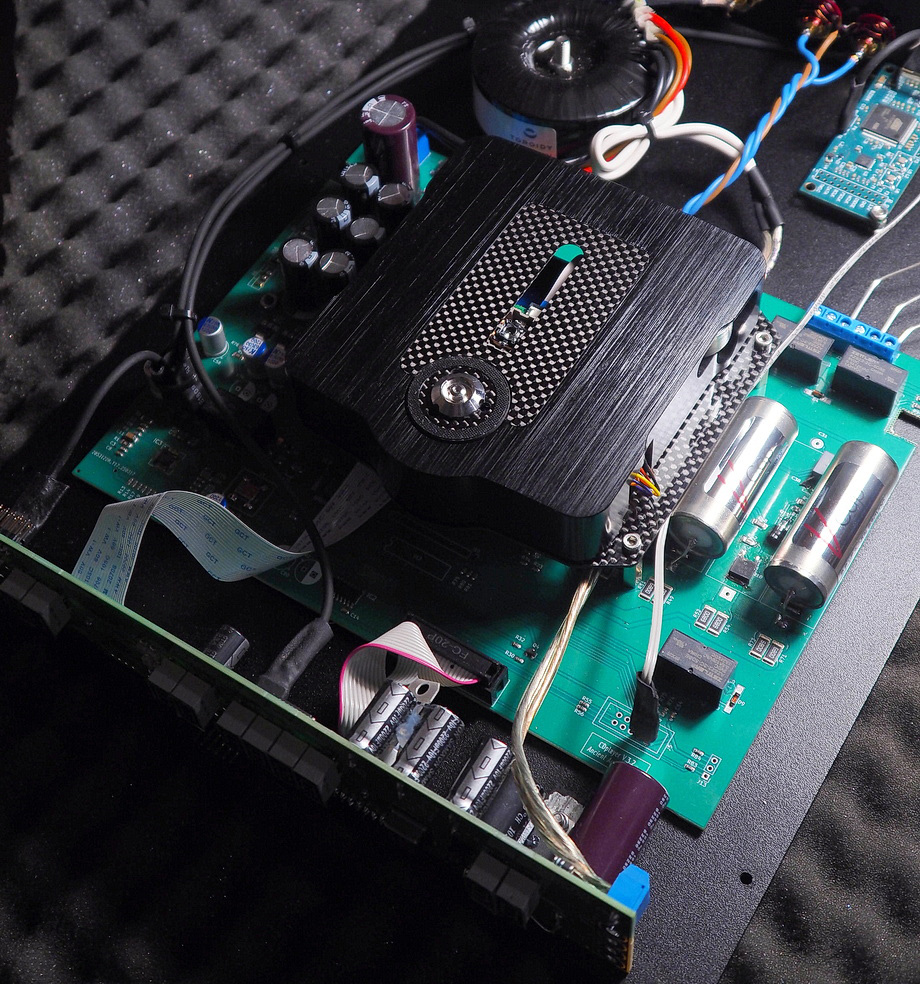
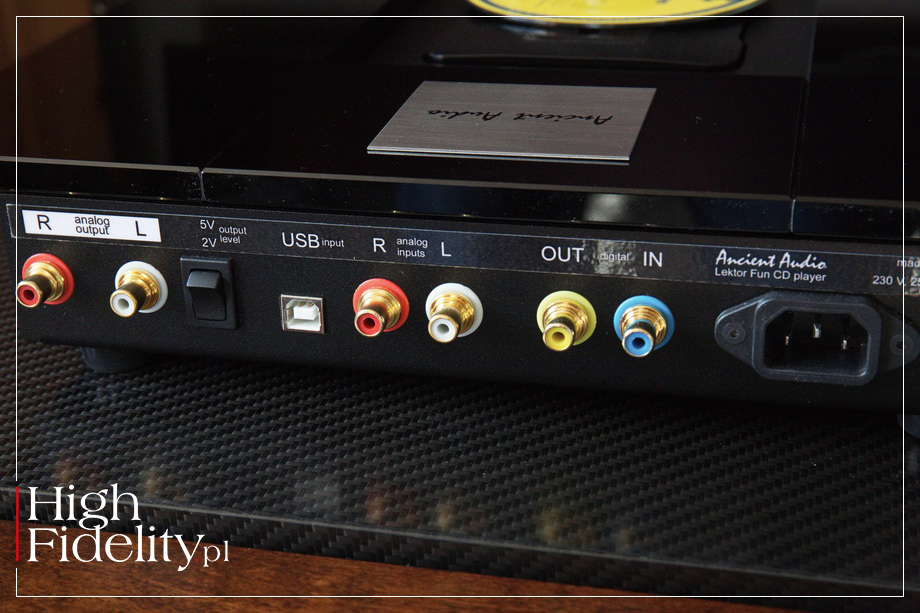
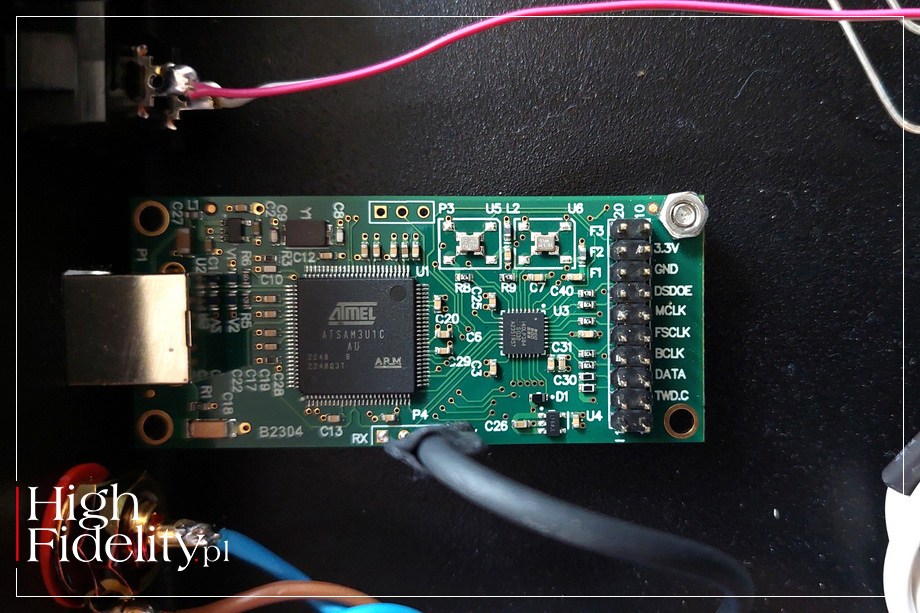
‖ Today, Ancient Audio uses the CD-Pro 8 transport from SUOS-HiFi (formerly StreamUnlimited Optical Storage) • Photo: Ancient Audio As you can see, the project was quite a wild one, though it was built on a solid foundation. The name is simple: since the top-of-the-line model is called Joy—representing the joy of listening to music—this new player is named Fun, meaning “you’ll have fun listening to the music with it”. ‖ JW ▓ Lektor Fun ANCIENT AUDIO’S LATEST PLAYER is also its most affordable device of this type in years (when adjusted for inflation). It was commissioned by Nautilus, a distributor of brands such as Ayon Audio, Accuphase, Siltech, and others. The idea was to offer, as its representatives put it, “a device that sounds good,” but is cheaper than Accuphase products. FEATURES • As Jarek mentioned, the name of the new player is no coincidence; most of its features are derived from the Joy Lektor. It serves as a CD player, a preamplifier, and a D/A converter with a USB input. For the first time, in this company’s CD players, in addition to an analog input, there are also digital inputs, two of them, in fact: USB and RCA (S/PDIF). It also features volume control. This is handled in the digital domain within the D/A converter. 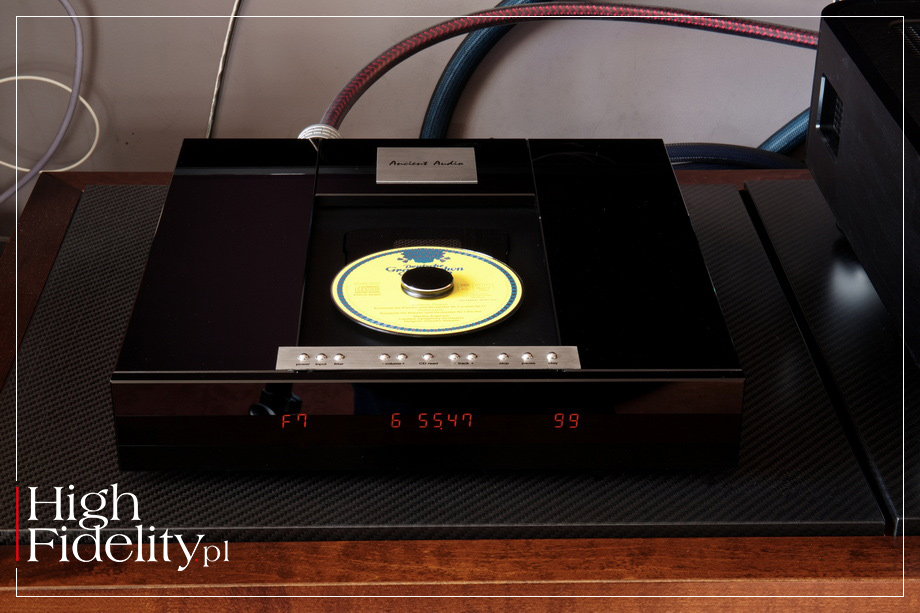
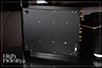
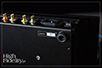
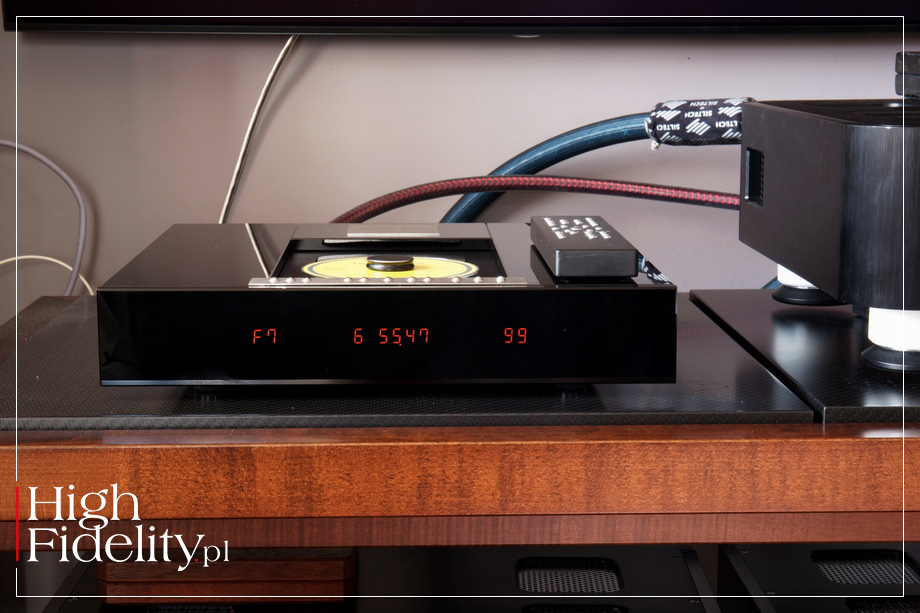
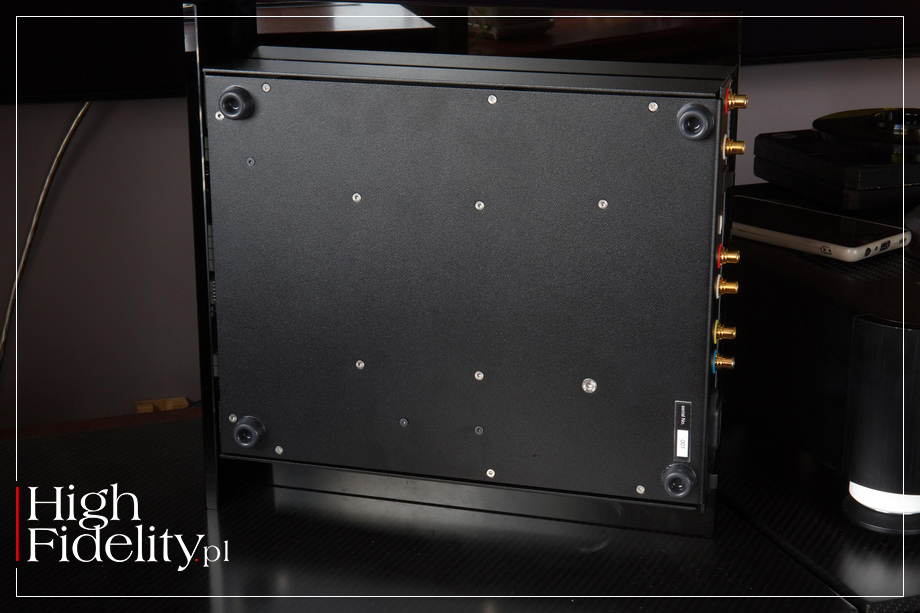
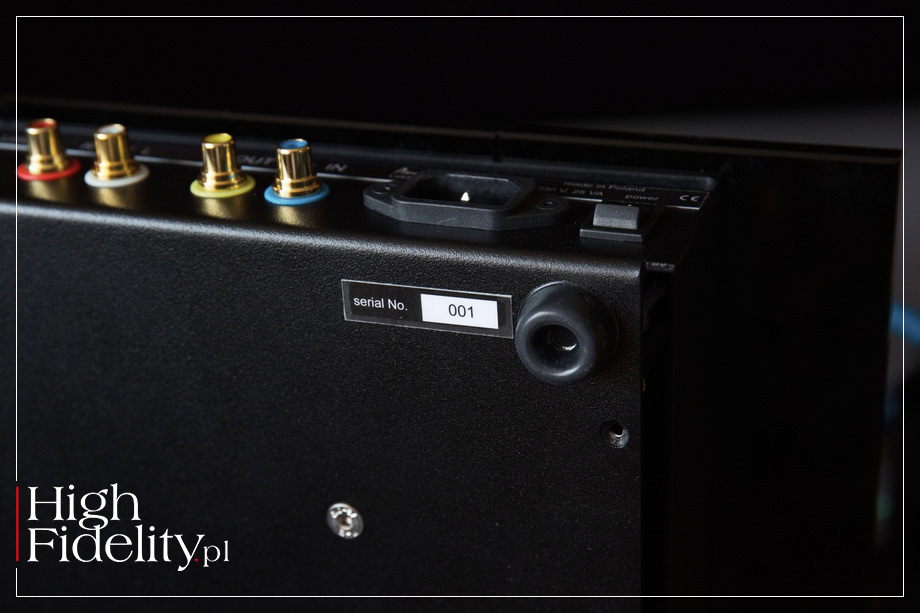
The disc, as is usual with Ancient Audio, is not shielded in any way - this is a variation of the top-loader design. To read the CD’s TOC (table of contents), you must press the appropriate button. It is located next to several others: power, input selection, digital filter selection, volume control, and five buttons for controlling the drive. The player can also be controlled via a large, awkward, and unattractive remote control. We should note that a small clamp or weight is placed on the disc. The player has a design classic for this manufacturer: a square outline and a low profile. All the electronics are housed in an elongated body, while the display and front panel extend its width. The chassis is made of tempered glass, and the aforementioned body is made of aluminum. The unit stands on four rubber feet—a perfect opportunity to try out one of the products offered by specialists in vibration minimization. TECHNOLOGY • The previous generation of Lektors used 24-bit converters from Crystal Semiconductor. The Joy, the predecessor of the tested device, features ESS Technology’s top-of-the-line, eight-channel, 32-bit ES9039 Pro DAC. This is a home theater solution, but the user can connect all channels to create a mono DAC, or group them in sets of four for a stereo output, as in this case. ESS engineers have made it possible to select one of the available digital filters. This option is available in the Fun, and the user can choose from one of seven different filters listed below: • Brickwall, Unfortunately, Ancient doesn’t provide a description of them, even though, for the first time ever, along with this company’s device, I also received a user manual. It sounds fancy, but it’s just a two-page, stiff sheet of paper. But it’s there. As for the packaging, nothing has changed, as it still resembles the designs of a novice DIY enthusiast. Nautilus, however, declares that it will make some changes in this regard. A major change in the company’s history was the replacement of the Russian 6H30 tubes in the Lektor Joy’s output stage with MOSFETs. As Jarek explains, they are designed to operate in a circuit similar to those found in tube amplifiers, and that he has been developing this circuit for over 15 years. The final design resembles tube-based solutions because the FET transistor is also voltage-controlled, just like triodes, but with higher gain and output current. As the manufacturer writes, the new circuit “delivers a smoother and more dynamic sound compared to a tube-based one.” The output stage offers two gain settings to make it easier to match the player to the amplifier, and the switch from 2 to 5 V is made via a switch on the rear panel. 2 V, as a reminder, is the voltage recommended in the Red Book, the set of licensing regulations for the Compact Disc format. The nominal value, without attenuation, is achieved at the “100” position on the display. As can easily be deduced from this, there are 100 steps for adjusting the gain. Ancient Audio was a manufacturer that relied on Philips’ CD-Pro2 transport mechanism. However, since production of that mechanism had ceased, the Austrian company SUOS-HiFi - a spin-off of StreamUnlimited, a manufacturer specializing in CD and SACD transports and players - collaborated with Pro-Ject to develop a new mechanism based on the previous one. In short, it was developed by the same people - StreamUnlimited was founded by former Philips engineers. The characteristic shape of the aluminum chassis remains from the previous design, and the optical drive is bolted to it, as well as the spring-loaded decoupling from the base. A new feature is the section of the top panel, with a laser-cutout, made from carbon fiber weave (at Philips, it was plastic). Also new is the plate to which the entire assembly is bolted, also made of carbon fiber weave. The control system is also completely new - it is the Blue Tiger CD-84 module, but with software tailored for this specific drive. 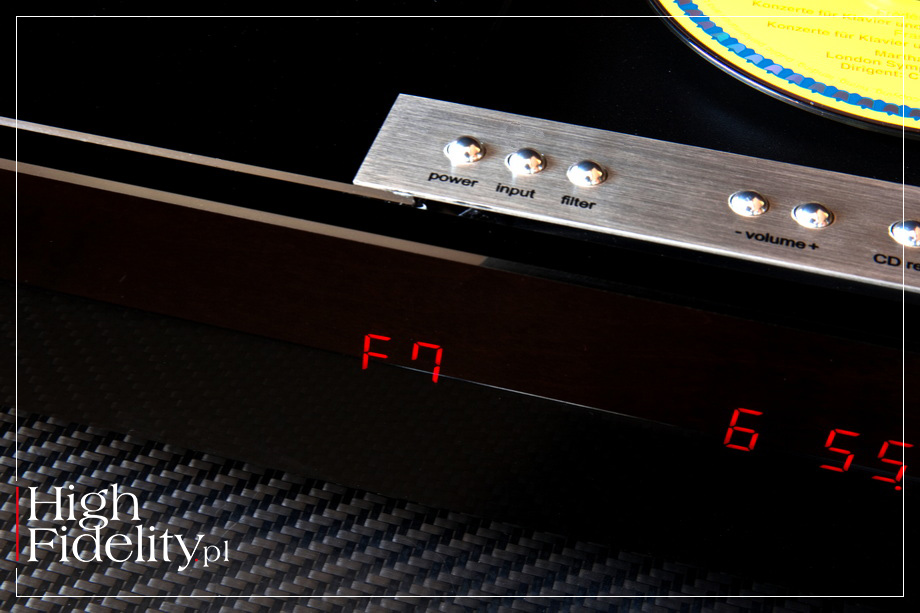
However, the latter is modified by various companies. As Jarek mentioned on the occasion of a test of one of the earlier Lektor models, StreamUnlimited Optical Storage offers full documentation for its solution; however, he adds that it is difficult to navigate and contains quite a few minor errors. That is why he asked one of the Polish engineers to develop the software. All of the digital circuits featured in the Lektor Fun are clocked by a single clock with a frequency that is a multiple of the CD signal’s sampling rate (44.1 kHz). And usually, this is done by several clocks. In the reviewed component it is an excellent module from Tent Labs. The signal is sent out via an RCA jack with an S/PDIF transmitter, which is said to be “extremely fast” - according to press materials - and which was developed for microwave-related projects. |
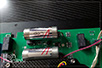
The RCA output is coupled via V-Cap ODAM oil capacitors. The manufacturer writes about them:
ODAM stands for Oil Damped Advanced Metalized. Let’s take a look inside because this unique design is very much the sum of its parts - each carefully chosen to maximize musicality by minimizing internal vibration, optimizing electrical performance (i.e. DF and ESR) and improving reliability... all while greatly increasing part-to-part consistency.
⸜ Oil Damped Advanced Metalized (ODAM) Audio Capacitors, → www.V-CAP.com, accessed: 17.03.2026. I consider V-Cap capacitors to be among the best on the market. I use them in my Ayon Audio CD-35 HF Edition CD player, in the Spheris Evo preamplifier, and even in the Leben CS300 (Custom Version) amplifier. ▓ SOUND THE TEST PROCEDURE • The Lektor Fun CD player was tested in the “High Fidelity” reference system. It was placed on the top shelf of the Finite Elemente Master Reference Pagode Edition Mk II on its own feet. For power, I used a 2.5-meter Acrolink Mexcel 7N-PC9500 cable, and the signal to the Ayon Audio Spheris Evo preamplifier was transmitted via Crystal Cable Absolute Dream RCA interconnects. 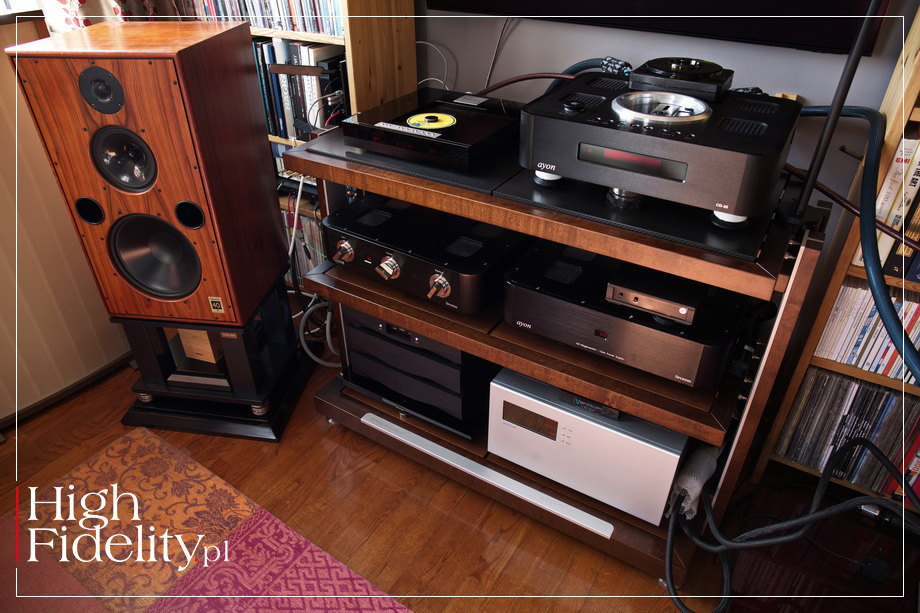
During the test, I was interested in only one aspect of this device: how it performs as a CD player. So I didn’t test the USB or analog inputs. The player allows you to adjust the gain level and select one of seven digital filters. During the test, I listened to it with filter #7, but at the end of the listening session, I briefly summarized the sound of all of them. The output was set to “Low Gain,” and the gain display showed the number ‘99’; after connecting the player directly to the power amplifier, I reduced it to ‘91’. 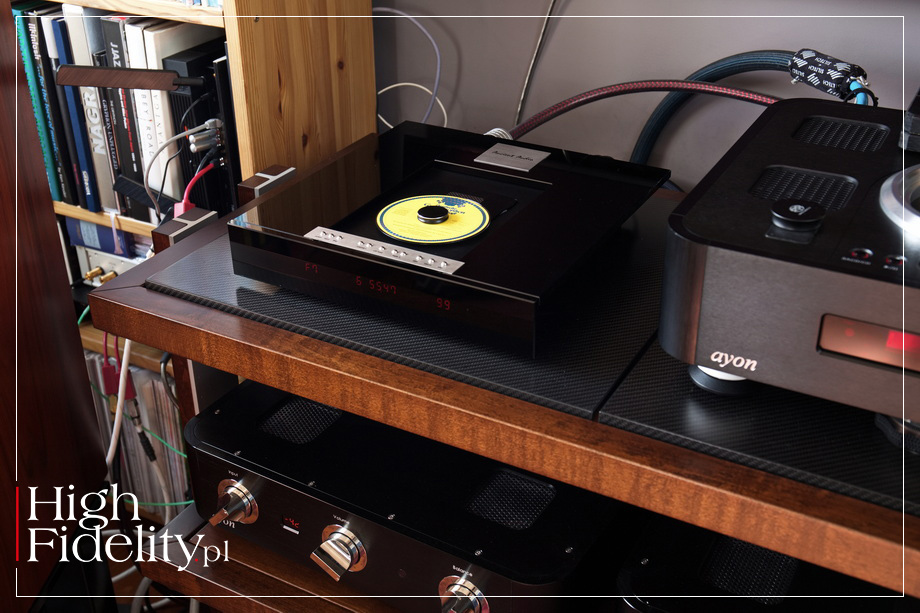
The test was conducted using the Ayon Audio CD-35 HF Edition SACD player as a reference point and involved AA/BB/A and BB/AA/B comparisons with the familiar A and B. » ALBUMS USED FOR THE TEST ⸜ a selection
• GEORGE MICHAEL, Older, Epic | Aegean/Sony Music Labels SICP-31544-5, 2 x Blu-Spec CD2 ⸜ 1996/2022. THE WEEK I spent listening to the new Ancient Audio player was largely devoted to preparations for the 155th meeting of the Krakow Sonic Society. The theme was to be the new reissue of GEORGE MICHAEL’s album Faith. He is one of my favorite artists, in my opinion, a genius of pop music (and beyond). As part of these preparations, I listened to all his albums once again. 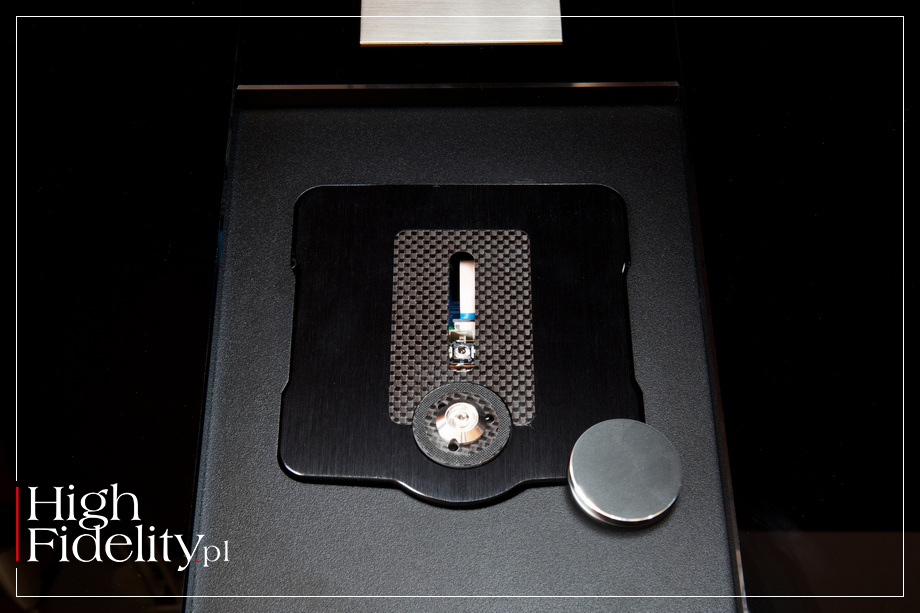
Faith is unbeatable, but I listen just as often to the album entitled Older, released by Michael nine years later, after a long hiatus and following a settlement with Sony. His first solo album was recorded on a Mitsubishi X-850 digital tape recorder, a state-of-the-art device at the time costing $125,000 - today that’s over half a million; there were two such devices in the studio. When the artist began working on Older, he turned to these machines once again. Time, however, had taken its toll, and the company itself had previously withdrawn from the recorder market, making the devices increasingly difficult to maintain and service. After several attempts, Chris Porter, the album’s engineer, abandoned the X-850 and turned to a new solution, the RADAR hard-disk-based system. As I wrote before, both its ease of use and its sound earned it a reputation among sound engineers as an “analog computer.” Listening to this album on the Ancient Audio player, it’s easy to see why this reputation has stuck to this exceptional machine. Although it was only 16-bit at a sampling rate of 44.1 kHz, the sound is incredibly smooth, warm, and “analog.” That’s exactly how the player strikes me. It’s as if Jarek Waszczyszyn’s goal was for it to fit into as many systems as possible and play as many albums as possible without causing a grimace of disgust on its owner’s face. He achieved his goal. We pay for this with slightly subdued dynamics and warm high frequencies; that’s something to keep in mind. However, it’s worth bearing these costs because we get a truly “non-digital” digital player. Michael’s voice in ˻ 1 ˺ Jesus to a Child was thus full and rich, presented quite close to me (the proceeds from this single were donated in full to an organization helping children - the extent of this artist’s philanthropy was only revealed after his death). The second track on the album, ˻ 2 ˺ Fastlove, which to some extent echoes the second track on Faith, I Want Your Sex, sounded just as warm, just as deep, and just as pleasant. It was already clear that the Fun does not aim for instrument separation, so it is not a particularly selective device. Instead, it offers very good resolution. In other words, it skillfully differentiates sounds, making them deeper and more interesting. During a longer listening session with the new Ancient Audio player, it becomes apparent that we are listening to a device that sounds a lot like a turntable. I am not exaggerating, I am not stretching the truth, and I am not trying to mislead anyone. I compared several CDs with LPs played on the Rega P8 with a Denon DL-103R cartridge. Yes, that’s exactly the kind of vintage sound - after all, the “103R” has a spherical stylus. And that delivers an incredibly natural, full-bodied sound of the instruments. The Fun is, however, a high-end device. It may be the cheapest model in this Krakow-based manufacturer’s lineup, and it may be a stripped-down version of the Joy, but, ladies and gentlemen, that doesn’t make it any worse a device. Because what I’ve described is still combined in it with excellent dynamics and beautiful tones. That’s why track ˻ 1 ˺ Another Holiday, which opens the TSUYOSHI YAMAMOTO TRIO’S album What a Wonderful Trio! sounded very powerful, low, yet also impassioned. When, at 3:20, the pianist strikes the keys with force, drawing low notes from the piano, that is exactly how they were reproduced by the player. The new device from the studio on Malawskiego Street is also very responsive when it comes to switching between different types of recordings and genres of music. To see once again how the device handles vocals, I listened to ˻ 7 ˺ We Came To Dance, a track from the ULTRAVOX album Quartet. What a track! New Romantic in a nutshell. And on top of that, it’s really well recorded. It sounded low, dense, and dark on the player. Yes, the sounds of synthesizers and occasional drum machines were more prominent in the upper range, but they were quickly warmed up and dampened. The midrange, particularly its lower end, was the most important part of the sound. The album in question sounds as if it were recorded on analog tape with noise reduction, which manifests itself in a slight muffling of the upper bass. As I said, the Fun isn’t selective, and even less so meticulous, yet it presented all of this in a single sweep; it didn’t jealously hide the details, but shared them with me right away. 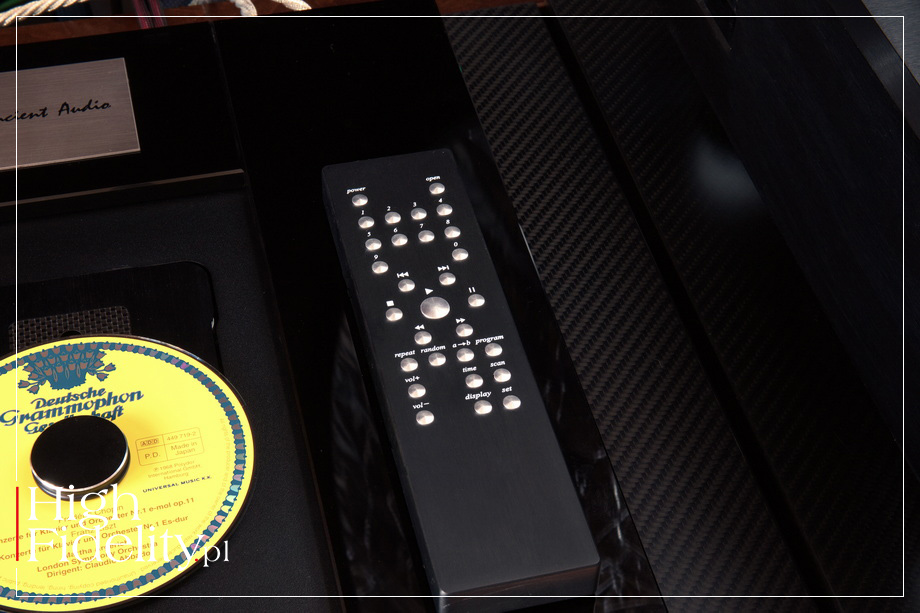
But this was supposed to be about the vocals. These are presented by the Ancient slightly further back, though the whole sound stage was closer to me than with the reference player. However, when the vocals are closer, as on Michael’s album, or during the melodic recitation in the Ultravox track, they are boosted. The player offers a high sound volume, and if the sound is naturally big, it will simply be big and dense. ▲ Digital filters THE ESS TECHNOLOGY D/A converter chip offers as many as seven digital filters, allowing you to choose the one that suits you best. Fun demonstrated the differences between them quite clearly, but they weren’t exactly “decisive”. Nevertheless, I too ultimately chose filter No. 7 as the one that sounded best in this device. The Fun has a rather dark sound, so one might think that filter No. 1 would be the right choice. It is the sharpest and has the most pronounced attack. Unfortunately, it lacks body, so I gave up on it fairly quickly. Filter No. 2 is darker, with a less defined attack, but it, in turn, lacks a bit of “tangibility” in the sound, and the foreground moves further away from the listener. With filter No. 3, we return to a closer sound, but with clearer contouring. In this case, the difference between filters No. 3 and No. 4 was not noticeable. Very good, just like in the Joy player, sounded Filter No. 5. With it, the sound had the right weight; it was also rich and quite selective. No. 6 adds a bit more treble to the sound, but the midrange fullness also disappears. Interestingly, I got the most distinct sound from No. 7. It was more dynamic and selective than No. 1, which is, after all, quite bright. The seventh filter, however, is not bright; it simply offers more detail in the high frequencies. In this case, the differences between the filters are not as pronounced as in the Joy model. This is, however, a different design. Still, they are worth checking out, and they can give you a thrill when you suddenly realize that a great-sounding album can sound even better. ● PREAMPLIFIER • I’ve never been a fan of connecting Ancient Audio players directly to power amplifiers, or any other players, for that matter. However, the Fun model’s output stage turns out to be sufficiently current-capable that it drove the Soulution power amplifier with ease. And it didn’t just drive it - it did so very well. The point is that the sound of Sonny Rollins’ saxophone from the album Saxophone Colossus, and Tadeusz Nalepa’s vocals from the phenomenally well-recorded and equally well-remastered by Damian Lipiński album BREAKOUT’S NOL, were excellent in their density and depth. They were also slightly brighter than when paired with the Ayon preamp, but that didn’t bother me. In fact, it was a positive aspect, as it enlivened the sound without making it harsh. That’s why I can easily see the Fun player working just as well in a system without a preamp or with active speakers. I can see it clearly, and I smile at the thought of what you will get from such a system. An external preamp? - Yes, but only once everything else in the system is buttoned up to the last detail. Then it will add the finishing touch to an already great sounding system. ▒ Summary THE NEW ANCIENT AUDIO CD PLAYER is the most versatile device from this manufacturer that I know of (and I think I know them all). It doesn’t matter to it whether we’re playing ’80s pop, classics from Decca Records from the ’50s and ’60s, or contemporary jazz. All the albums I listened to on it sounded very pleasant and simply great. Its sound is rich, full, and more on the dark side than bright side. The resolution is exceptionally good, and I wouldn’t be surprised if someone listening to the Joy and - yes - the Fun models side by side chose the latter. Not because it’s better; it isn’t. However, there’s something appealing in its sound that, for an attentive listener who’s been through a lot in life, switching out the audio components, will be worth its weight in gold. 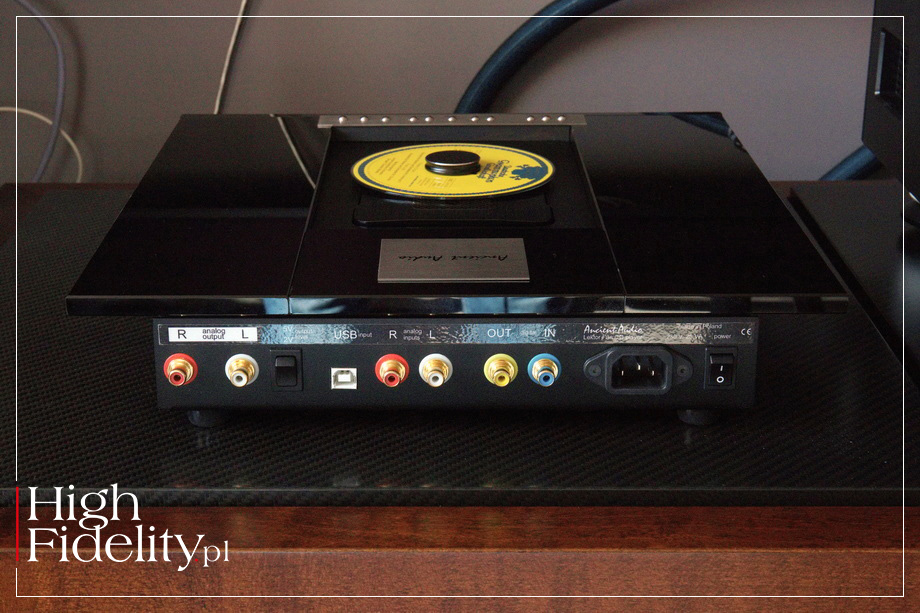
It’s about the internal balance - that’s how I can briefly describe it. So we listen to one album after another, totally relaxed, and they all sound in a pleasant, enjoyable way. And this is true whether one is using an external preamp or the player’s volume control. Bravo! ▒ Technical specifications
Chassis: aluminum and glass 
THIS TEST HAS BEEN DESIGNED ACCORDING TO THE GUIDELINES adopted by the Association of International Audiophile Publications, an international audio press association concerned with ethical and professional standards in our industry, of which HIGH FIDELITY is a founding member. More about the association and its constituent titles → HERE. |
 |

|
Reference system 2026 |
|
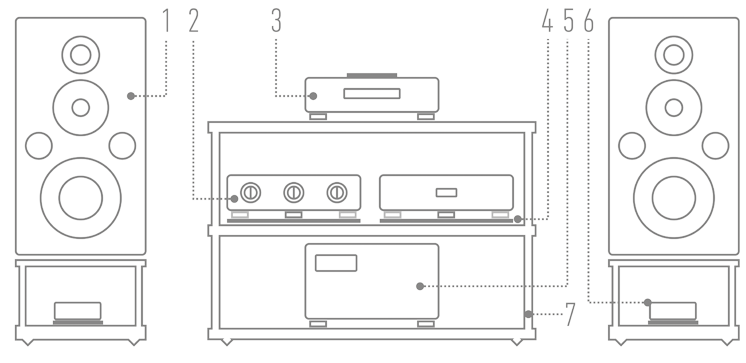 1) Loudspeakers: HARBETH M40.1 |REVIEW| 2) Line preamplifier: AYON AUDIO Spheris III Linestage |REVIEW| 3) Super Audio CD Player: AYON AUDIO CD-35 HF Edition No. 01/50 |REVIEW| 4) Stands (loudspeakers): ACOUSTIC REVIVE (custom) |ABOUT| 5) Power amplifier: SOULUTION 710 6) Loudspeaker filter: SPEC REAL-SOUND PROCESSOR RSP-AZ9EX (prototype) |REVIEW| 7) Hi-Fi rack: Hi-Fi rack: finite elemente MASTER REFERENCE PAGODE EDITION Mk II, more → HERE |
|
|
Cables Analog interconnect SACD Player - Line preamplifier: SILTECH Triple Crown (1 m) |ABOUT|» ANALOG INTERCONNECT Line preamplifier → Power amplifier: Siltech ROYAL SINLGE CROWN RCA; review → HERE Speaker cable: SILTECH Triple Crown (2.5 m) |ABOUT| |

|
AC Power Power cable | Mains Power Distribution Block - SACD Player: SILTECH Triple CrownPower (2 m) |ARTICLE| » POWER CABLE Mains Power Distribution Block → Line preamplifier: Acoustic Revive ABSOLUTE-POWER CORD, review → HERE » POWER CABLE Mains Power Distribution Block → Power amplifier: Acoustic Revive ABSOLUTE-POWER CORD, review → HERE Power cable | Power Receptacle - Mains Power Distribution Block: ACROLINK Mexcel 7N-PC9500 (2 m) |ARTICLE| Power Receptacle: Acoustic Revive RTP-4eu ULTIMATE |REVIEW| » ANTI-VIBRATION PLATFORM under Acoustic Revive RTP-4eu ULTIMATE: Graphite Audio CLASSIC 100 ULTRA, review → HERE Power Supply Conditioner: Acoustic Revive RPC-1 |REVIEW| Power Supply Conditioner: Acoustic Revive RAS-14 Triple-C |REVIEW| Passive filter EMI/RFI: VERICTUM Block |REVIEW| |

|
Anti-vibration Speaker stands: ACOUSTIC REVIVE (custom)Hi-Fi rack: finite elemente MASTER REFERENCE PAGODE EDITION Mk II, more → HERE Anti-vibration platforms: ACOUSTIC REVIVE RAF-48H |ARTICLE| » ANTI-VIBRATIONAL FEET: |

|
Analogue Phono preamplifier: Phono cartridges:
Clamp: PATHE WINGS Titanium PW-Ti 770 | Limited Edition Record mats:
|

|
Headphones » HEADPHONE AMPLIFIER: Leben CS-600X, review → HEREHeadphones: Headphone Cables: Forza AudioWorks NOIR HYBRID HPC |