


|
MUSIC ⸜ column HISAO NATSUME
In search for the lost great pianism
HISAO NATSUME, piano music researcher, collector of 78 rpm shellac records and founder of the Sakuraphon label, invites us to the world of the great pianists of the 19th and early 20th centuries. . |

 |
 |
 |
|
MUSIC
text HISAO NATSUME |

|
No 262 March 1, 2026 |
THROUGH CLASSICAL MUSIC, Japanese audiences have long time felt a particular afinity with Poland and France. This affinity surely stems from encounters with the works of Chopin, Debussy and Ravel, through which listeners have come to understand and appreciate the spirit of these countries. However, before World War II, musical life in Japan was heavily oriented towards German traditions, and except for a small circle of progressive listeners, French music had not yet taken firm root in my homeland. HENRI GIL-MARCHEX (1892–1974), a close friend of Maurice Ravel, was the most important figure to first present the appeal of French piano music to Japan in a sustained and systematic way. 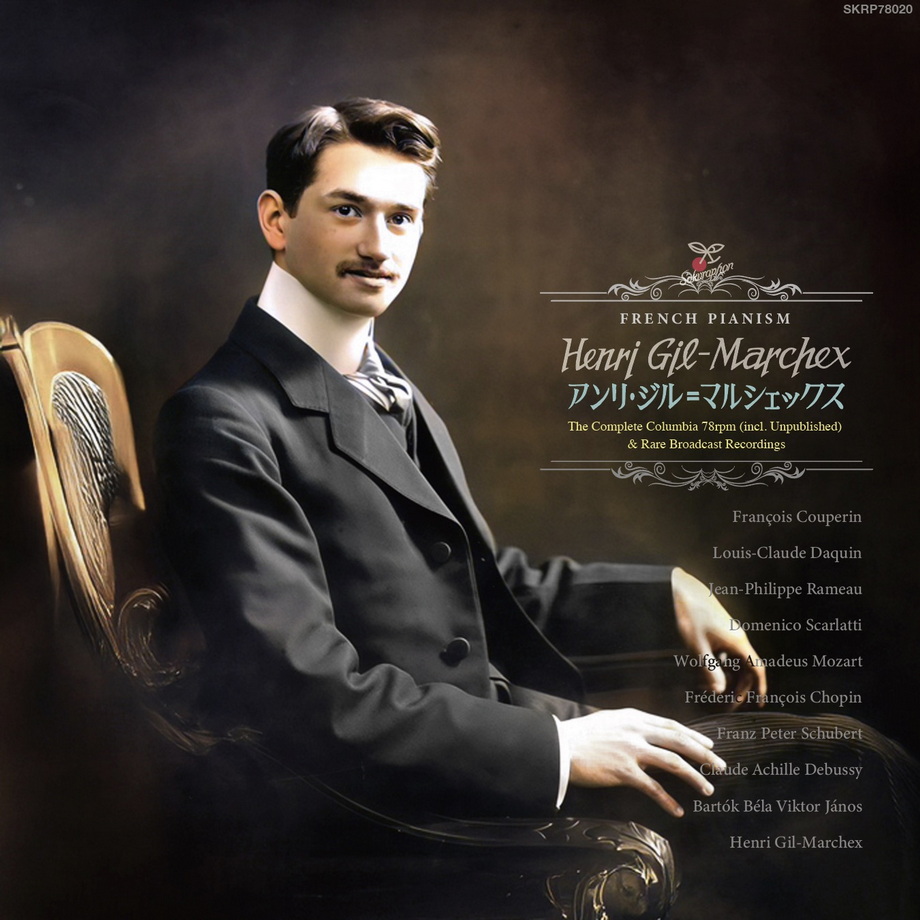
Between 1925 and 1937, Gil-Marchex visited Japan five times as a cultural ambassador between France and Japan. Like LAFCADIO HEARN (Koizumi Yakumo), he developed a deep affection for Japanese culture, and as a composer he left behind beautiful works inspired by images of traditional Japan. A leading pianist of the Diémer's lineage, like Lazare Lévy, Gil-Marchex presented an extremely broad repertoire in concerts and recordings, ranging from French Baroque masters such as Couperin, Rameau and D'Anglebert to modern composers including Debussy and Poulenc. He also played a pioneering role by performing a piano arrangement of Five o'Clock Foxtrot from Ravel's L'Enfant et les sortilèges, even before the official premiere of this work. 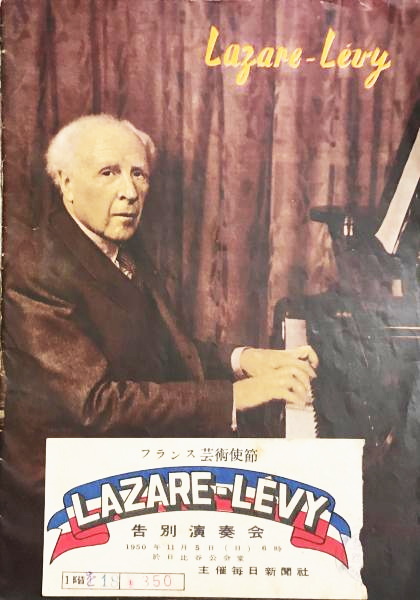
The artistic ground cultivated by Gil-Marchex bore its most vivid fruit in the figure of KAZUKO YASUKAWA, who returned to Japan from Paris in 1939. Yasukawa studied at the Paris Conservatoire under Lazare Lévy, alongside pianists who would come to define the mid-20th century, including the outstanding pianists Ginette Doyene (1921–2002) and Janine Dacosta (dates unknown). In France, before and after World War II, an extraordinary generation of female pianists flourished, including Gaby Casadesus (1901–1999), Henriette Faure (1905–1985), Jeanne-Marie Darré (1905–1999), Ida-Marie-Louise Périn (1906–?), Carmen-Marie-Lucie Guilbert (1906–?), Lucette Descaves (1906–1993), Lucienne Delforge (1909–1987), Monique de la Bruchorellie (1915–1972), Raymond Trouard (1916–2008), Marie-Thérèse Fourneau (1927–2000), Babeth Leonet (dates unknown), Léon Kartun (1895–1981), Marius-François Gaillard (1900–1973) and Jean Dennery (1901–19??). 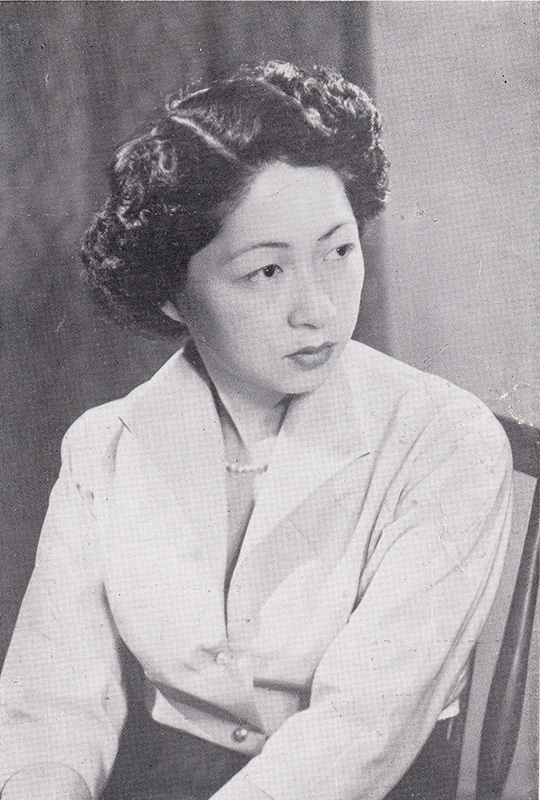
‖ Kazuko Yasukawa, 1952 • public domain All of them were pupils of eminent teachers, such as Louis Diémer (1843–1919), Isidor Philipp (1863–1958), Marguerite Long (1874–1966), Alfred Cortot (1877–1962), Victor Staub (1872–1953), and Lazare Lévy (1882–1964), and all carried forward the tradition of French classical pianism. In particular, Diémer's revival of Baroque repertoire by Couperin, Rameau, and Daquin on the modern piano represents a milestone of lasting importance in music history. A revealing example of this tradition can be found in the monaural LP De Rameau à Debussy, recorded around 1950 by the Lyon-born pianist Ennemond Trillat (1890–1980), who studied in Paris with Théodore Dubois and Édouard Risler (1873–1929). Side A features Rameau performed on the harpsichord, while Side B presents Mozart, Chopin, and Debussy on the piano. 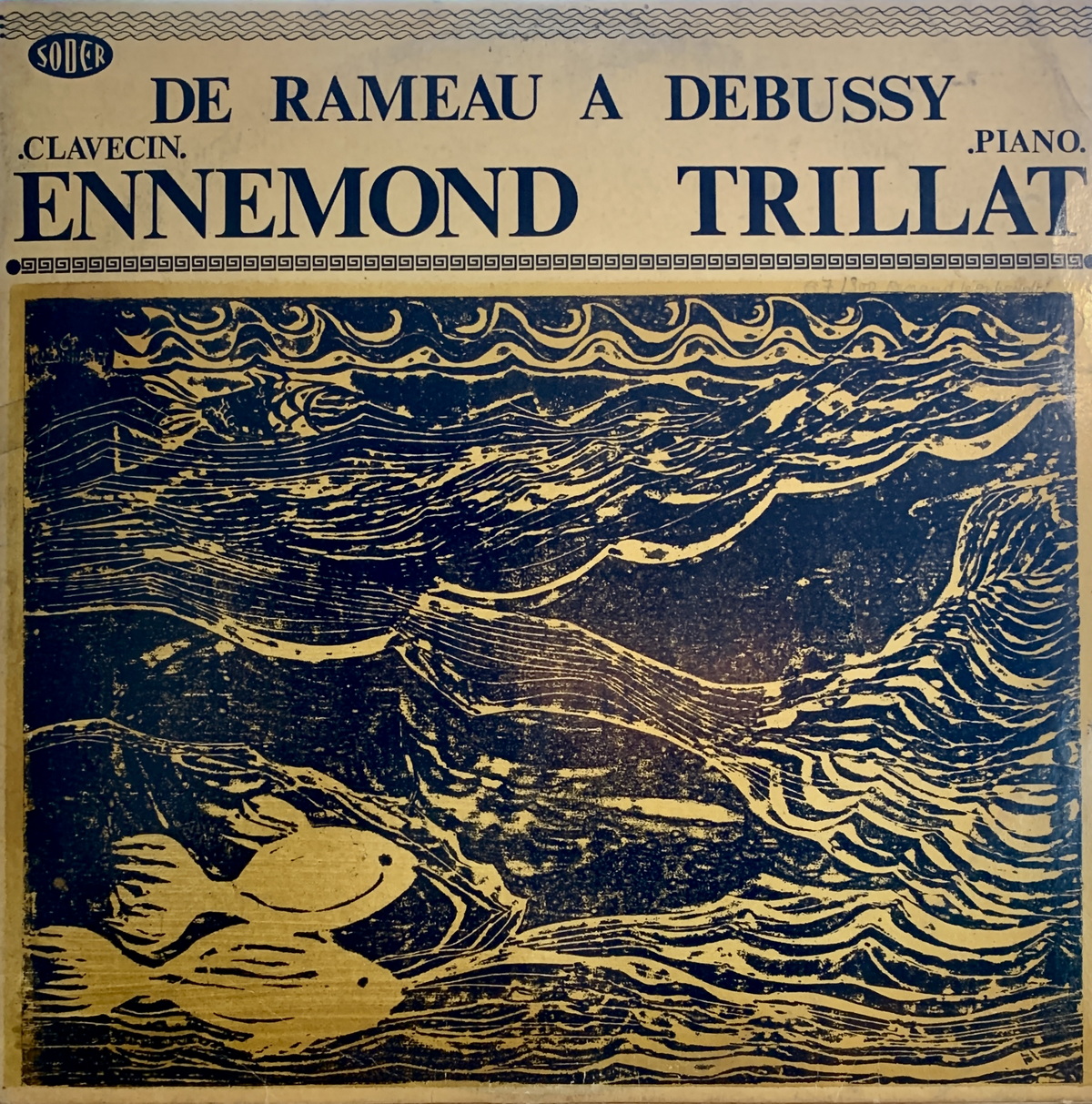
Grounded in an understanding of Baroque ornamentation and harmonic sensibility, Trillat's performances rescue Romantic repertoire from mannerism. The fact that French pianism avoids excessive gravity or tragic intensity may be traced to this enduring, classically rooted approach. In France, composers and performers of the same era also maintained unusually close relationships. Masterpieces by Saint-Saëns, Fauré, Franck, d'Indy, Debussy, and Ravel were rapidly taken up by performers and established in the repertoire. This dynamic exchange endowed the French school with a distinctive and enduring artistic coherence. Under the influence of her teacher Lazare Lévy, Kazuko Yasukawa (1922–1996) may likewise be associated with the aesthetic of Neue Sachlichkeit. At the time, as a reaction against Romanticism, pianists such as Walter Gieseking and Rudolf Serkin – often linked with this German trend in art, literature and culture of the 1920s and 1930s – were gaining prominence. |
Yet Japanese listeners encountering Yasukawa's playing after her return perceived it instead as richly colored and supple. This impression reflects Lévy's deep grounding in traditional French pianism. 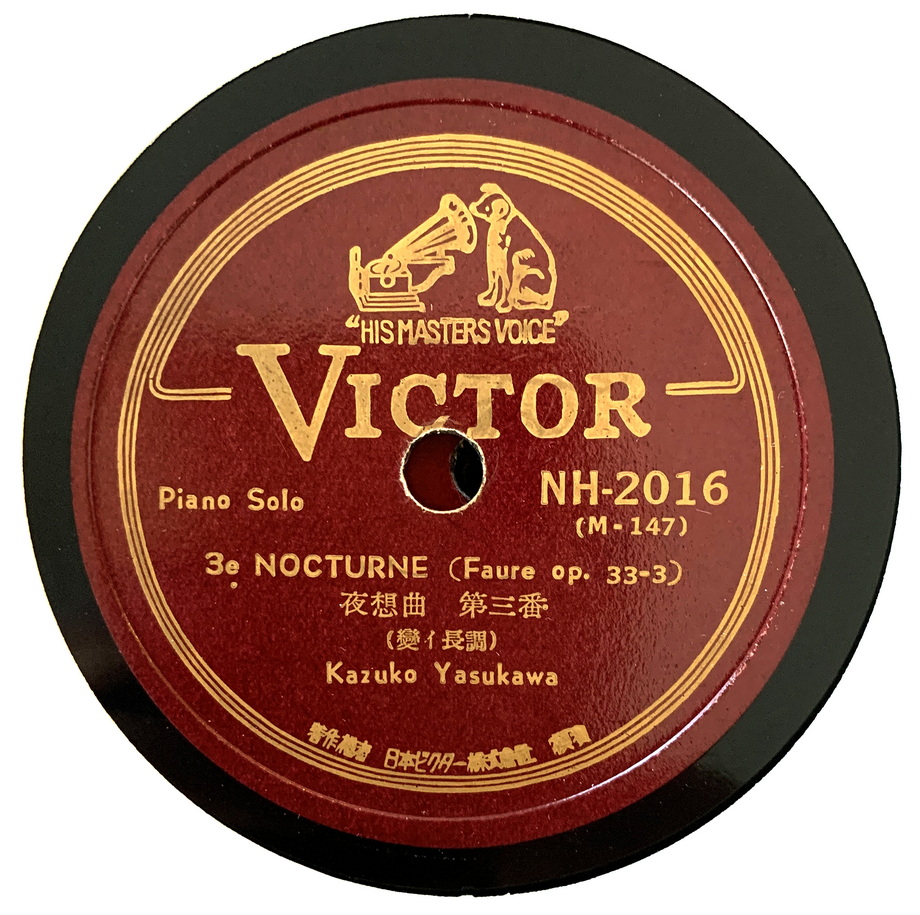
Originally emerging in the visual arts as an anti-expressionist movement, Neue Sachlichkeit entered music through composers such as Paul Hindemith and later extended its influence to performers. Unlike painters or composers, however, performers were affected primarily in terms of fidelity to the score and restraint in tempo rubato. The violinist Joseph Szigeti once explained Neue Sachlichkeit to his Japanese pupil Hisako Nagai by saying that it "does not aim at producing beautiful tone." This statement offers a valuable perspective from a leading artist of the era. After returning to Japan, Yasukawa immediately launched an energetic concert career, presenting several piano concertos. Among them, Saint-Saëns's Piano Concerto "Egyptian" proved especially popular, and in 1943 she made the world's first recording of the work for Nippon Victor. 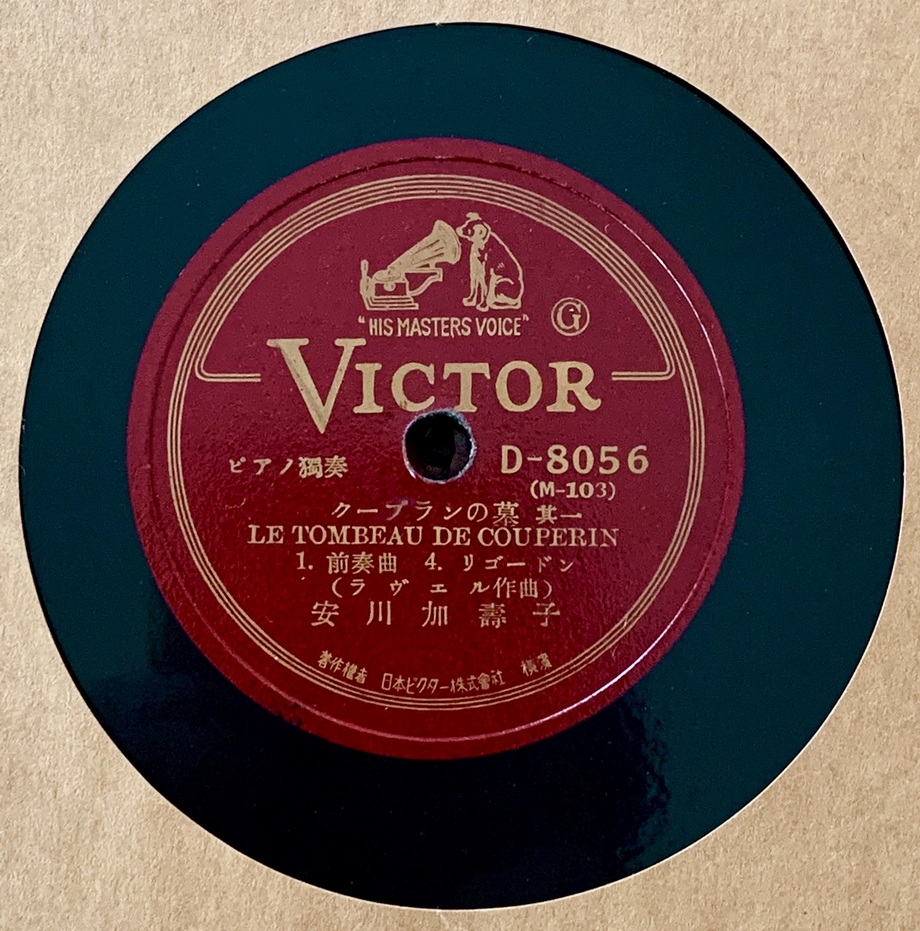
During the war, air raids destroyed her piano and scores, and she prepared herself for retirement. At the urging of others, however, she resumed her career and returned to the concert stage. Beginning with Ravel's Le Tombeau de Couperin, one of her signature works, she released numerous SP recordings for Nippon Victor, including Chopin and Debussy, distinguished by her brisk and lucid technique. In Chopin, Yasukawa's interpretations stood in clear contrast to those of pianists such as Alfred Cortot and Robert Lortat (1885–1938), who employed generous rubato. Like Lévy, she favored restraint and structural clarity. While the Japanese pianist KATSUHISA NOBECHI (formerly Urimaru, 1910–1966), an ardent admirer of Cortot, gained popularity for his improvisatory and romantic Chopin style, Yasukawa remained committed to a stoic aesthetic grounded in poise and precision. Comparing Lévy's Japanese recordings from around 1950 with Yasukawa's Chopin recordings from the same period – particularly the Mazurkas – reveals, more vividly than in other repertoire, the depth of their teacher-student bond within the music's vibrant expressiveness. 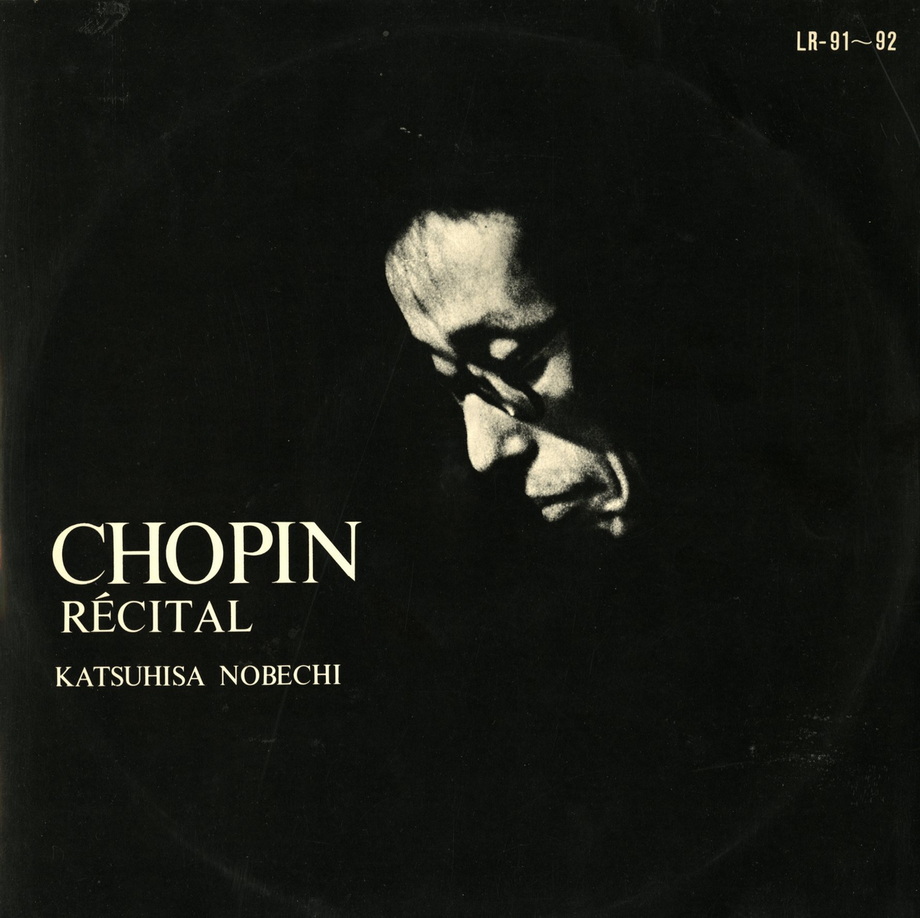
In 1952, together with her fellow pupil Chieko Hara, Yasukawa worked to invite Lazare Lévy to Japan, bringing lasting benefits to the country's postwar classical music scene. She also recorded new music, including collaborations with the violinist Raymond Gallois-Montbrun (1918–1994), who visited Japan at the same time as Lévy, and piano duets with Geneviève Joy (1919–2009). Alongside her performing career, Yasukawa devoted herself to teaching, making a major contribution to the development of younger pianists. One of her pupils, the pianist and writer Izumiko Aoyagi, later published a biography of Yasukawa, leaving a significant contribution to the study of Japan's piano performance history. Coincidentally, 2025 marks the centenary of Gil-Marchex's first visit to Japan, while 2026 marks the 30th anniversary of Yasukawa's death. Last year, Gil-Marchex's complete recordings were reissued on CD in a new edition of my Sakuraphon label. This release also includes previously unpublished recordings of Gil-Marchex performing his own compositions inspired by images of traditional Japan. 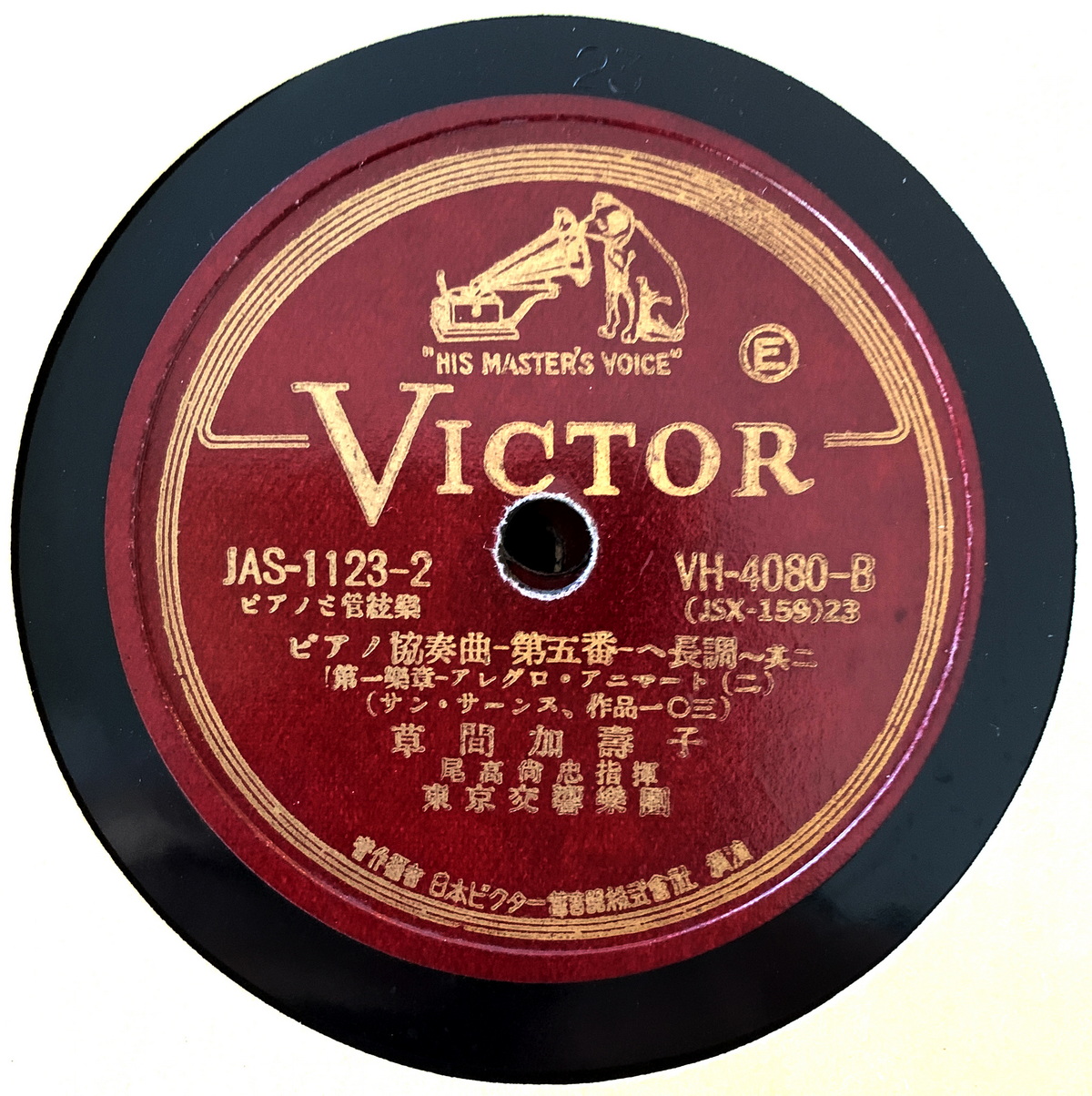
Performances by Diémer and Saint-Saëns, once dismissed by 19th-century critics as a "dry spring," now sound fully poetic and romantic to modern ears. This is the same phenomenon by which Josef Hofmann and Sergei Rachmaninoff, regarded in the early 20th century as figures of modernity, and later Vladimir Horowitz, are today perceived instead as heirs to a 19th-century virtuoso tradition. Even though Hofmann inherited the lineage of Anton Rubinstein, and Rachmaninoff carried forward 19th-century Russian pianism through his teacher Safonov, they were considered "modern" when compared with pupils of Liszt or Leschetizky. Kazuko Yasukawa, too, now stands at a moment ripe for renewed international reassessment – not merely as a representative of Neue Sachlichkeit, but as a key figure who rooted the essence of French pianism in Japan. NOTE • In the near future, Sakuraphon will release a CD reissue of 78rpm recordings celebrating the art of Kazuko Yasukawa. Please look forward to it. HISAO NATSUME |
 |